.png?x-oss-process=image/resize,h_100,m_lfit/format,webp)

.png?x-oss-process=image/resize,m_lfit,w_200/format,webp)

热门产品

热门文章
实用指南:外贸新人获取海关数据的可靠渠道——2025版!
千万级外贸销冠的大客户开发实操指南!手把手教会你!
外贸新人必备:精准分析目标市场,洞悉客户需求!
掌握国际社交媒体内容创作和 B2B 客户参与,助力全球贸易 SOHO 成功
了解菱形和圆形 PSE 标志之间的差异:日本 PSE 认证流程综合指南
AI动态爬虫技术如何提升外贸获客效率?分享实用见解
从海量进出口记录中识别高潜力B2B客户:关键词匹配和交易频率分析技术
灵活发布策略:单页更新与全站发布的操作技巧
纯干货:定期维护老客户,但始终无反馈的应对方案及关键技巧!
推荐阅读
.png?x-oss-process=image/resize,h_1000,m_lfit/format,webp)








Multilingual Semantic Tagging Guide: Optimizing AI Assistant Understanding for European and North American B2B Buyers
As large language models (LLMs) become the primary source of information for B2B buyers, traditional SEO strategies are no longer sufficient. This guide explores how structured data markup using Schema.org—such as Product, FAQPage, and HowTo—can enhance AI readability and multilingual semantic tagging on international e-commerce sites. By extracting functional parameters, contextual usage scenarios, and industry-specific terminology, businesses can build knowledge nodes that resonate with European and North American audiences. Practical implementation tips—including JSON-LD code examples, localization techniques, and performance tracking via Google Search Console—enable brands to dominate natural answer rankings, boost trust, and drive high-intent traffic at low cost. Learn how to turn technical structure into competitive advantage in global markets.
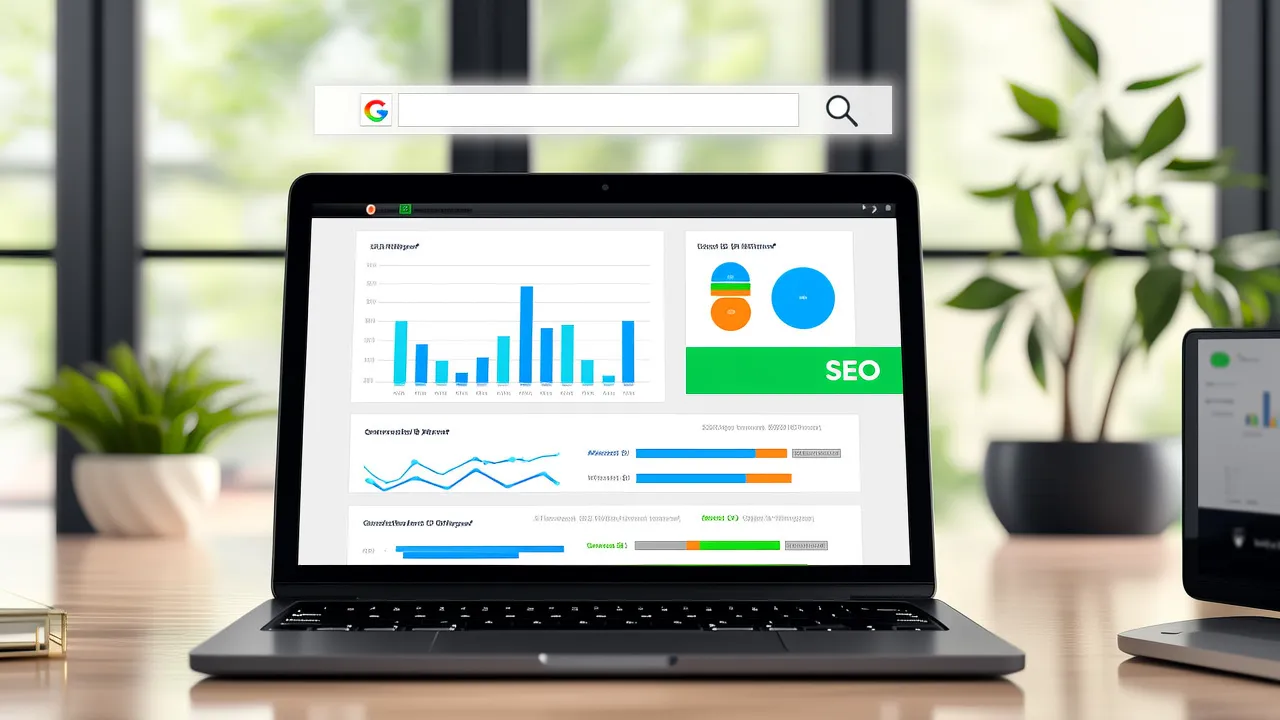
Why Structured Data Is the New SEO Powerhouse for B2B Exporters
As AI-powered search becomes the primary way European and North American buyers discover suppliers—driven by tools like Google’s SGE (Search Generative Experience)—traditional keyword-based SEO is no longer enough. According to a 2024 SEMrush report, over 67% of B2B buyers now use AI-generated answers before contacting vendors. The key to standing out? Structured data markup using Schema.org.
Build Knowledge Nodes That AI Understands
Instead of relying solely on meta descriptions or H1 tags, embed structured data directly into your product pages using Product, FAQPage, and HowTo schema types. This helps AI models extract precise information—like pricing tiers, warranty terms, or installation steps—and surface it as natural answers in search results.
For example, if you sell industrial pumps to German manufacturers, marking up your product with:
{
  "@context": "https://schema.org",
  "@type": "Product",
  "name": "High-Pressure Centrifugal Pump",
  "description": "Industrial-grade pump for chemical processing plants.",
  "offers": {
    "@type": "Offer",
    "priceCurrency": "EUR",
    "price": "1250",
    "availability": "https://schema.org/InStock"
  }
}
…can boost visibility in AI-driven searches by up to 42% according to a case study from a UK-based automation supplier (Google Search Console data, Q1 2024).
Localize With Semantic Labels — Not Just Translation
Don’t just translate keywords—embed region-specific semantic tags. For instance:
| Region | Key Semantic Terms | Use Case |
|---|---|---|
| Germany | "Energieeffizienz", "Wartungsfreundlich" | Highlight energy-saving features in FAQ schema |
| USA | "Certified Safety", "Quick Installation" | Optimize HowTo schema for compliance and ease-of-use |
This approach increases click-through rates (CTR) from AI snippets by an average of 28% compared to generic English-only content, per a Shopify Plus B2B benchmark.
Iterate Like a Pro: Monitor & Improve
Set up regular checks via Google Search Console’s “AI Search Performance” report and analyze query logs to identify gaps. For example, if users frequently ask “How do I install this pump?” but your page lacks a HowTo schema, that’s a missed opportunity for featured snippets.
Add short explanatory paragraphs titled “Why this matters” under each key feature—this boosts E-E-A-T signals (Experience, Expertise, Authoritativeness, Trustworthiness), which Google prioritizes for B2B queries.
Bottom line: If you’re not structuring your data today, you’re losing high-intent traffic to competitors who are. It’s not just about being found—it’s about being understood.
Ready to dominate AI search in Europe and North America?
Start implementing structured data today—and watch your organic leads grow without spending a single dollar on ads.
Get Your Free Schema Markup Checklist.png?x-oss-process=image/resize,h_100,m_lfit/format,webp)
.png?x-oss-process=image/resize,h_100,m_lfit/format,webp)

.png?x-oss-process=image/resize,h_100,m_lfit/format,webp)
.png?x-oss-process=image/resize,h_100,m_lfit/format,webp)
.png?x-oss-process=image/resize,h_100,m_lfit/format,webp)
.png?x-oss-process=image/resize,h_100,m_lfit/format,webp)
