.png?x-oss-process=image/resize,h_100,m_lfit/format,webp)

.png?x-oss-process=image/resize,m_lfit,w_200/format,webp)

热门产品

热门文章
解密:如何用数据提升外贸开发信的说服力和专业性?
一天一个外贸建站小知识:为什么 90% 外贸独立站「有访问没询盘」?根因解析
外贸极客智能营销与传统人工营销的深度市场洞察
外贸企业如何巧用政策与汇率波动,实现淡季额外收益提升?
2026年外贸建站必看:为什么 SEO 和 GEO 优化必须同步推进?
为什么你的外贸网站没有流量?3步助你用智能SEO引擎提升谷歌排名
外贸新手实用指南:海外市场调研详细步骤与方法!
一天一个建站小知识:新手如何在 500 元内搞定建站基础开销?
解读社交平台如何助力企业海外市场拓展成功?客户故事
具备多站点协同管理优势的网站建设系统对比分析
Recommended Reading
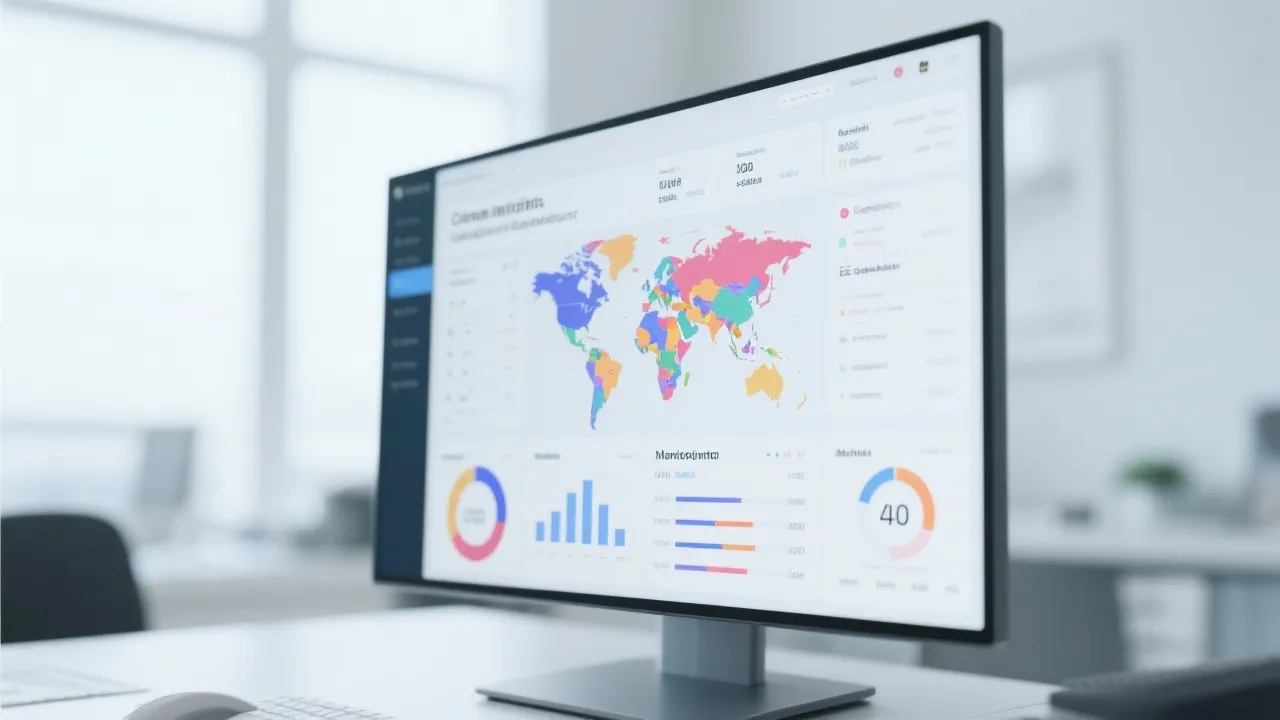


.png?x-oss-process=image/resize,h_1000,m_lfit/format,webp)


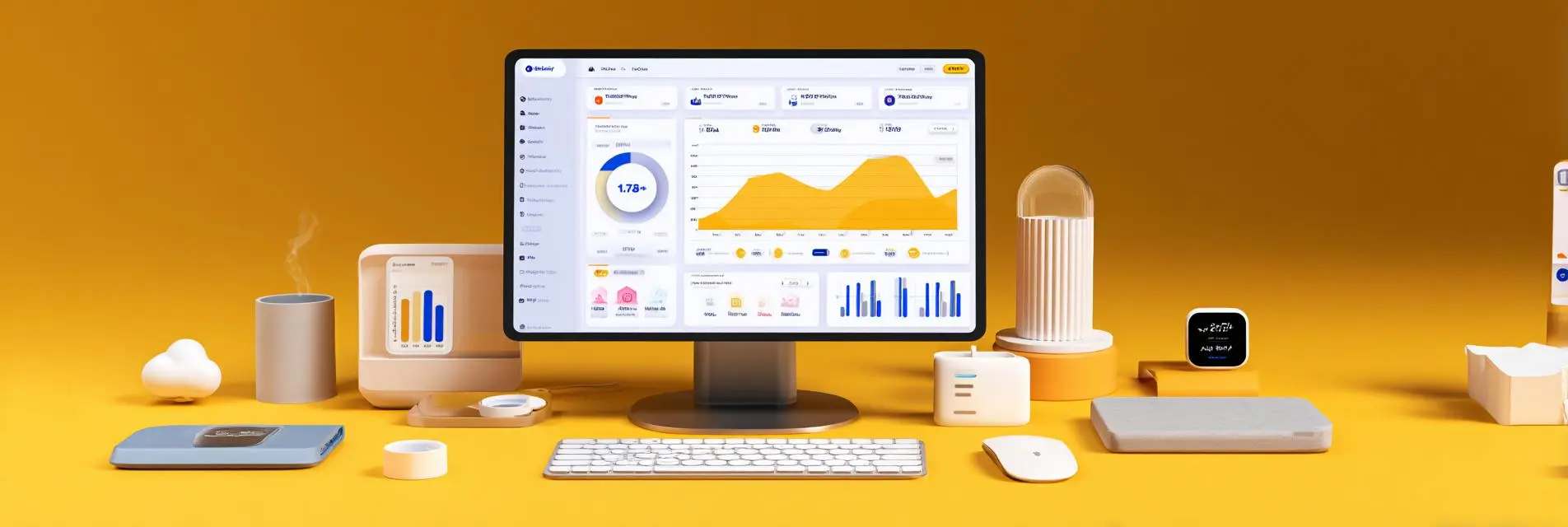


How to Optimize Multilingual Content for Global SEO: A Practical Guide for International E-Commerce Sites
This article explores how international e-commerce brands can leverage structured data, multilingual content management, and GEO-targeted SEO strategies to achieve precise audience reach and higher conversion rates across global markets. With real-world examples, actionable steps, and data-driven insights, it guides digital marketers and business leaders through building an efficient, search-engine-friendly global website—from keyword localization to AI-powered content personalization—ensuring faster indexing, improved rankings, and sustained traffic growth.

How to Build a Global B2B Website That Converts Across Markets
In today’s hyper-connected world, your international B2B website isn’t just a digital brochure—it’s the frontline of your global sales engine. But if you’re still using one language, one layout, and one SEO strategy for all markets, you're leaving money on the table.
Why Structure Matters More Than Ever
According to Ahrefs, websites with structured data (like schema.org markup) see up to 30% higher click-through rates from Google SERPs. That’s not just SEO—it’s user trust. When search engines understand your content better, they show it to the right people at the right time.
For example, a German buyer searching “industrial conveyor belts supplier” will expect technical specs, certifications, and local compliance info—not generic English content. Without proper geo-targeting and structured data, your site might rank globally but convert locally.
Multi-Language ≠ Duplicate Content
A common mistake? Copy-pasting translated pages without adjusting context or keywords. This creates duplicate content issues that hurt rankings. Instead, use hreflang tags and separate URLs per language (e.g., /en/products/, /de/produkte/).
Case in point: One UK-based machinery exporter increased their organic traffic from Germany by 47% within 6 months after implementing localized product descriptions, keyword research for DE-specific terms like “Förderbandanlagen,” and internal linking between language versions.

Module-Based Pages = Faster Indexing + Better UX
Break down your landing pages into reusable modules—product features, FAQs, case studies, testimonials. Each module can be reused across languages while keeping unique meta titles, H1s, and CTAs tailored to each market.
This approach cuts development time by up to 50%, improves crawl efficiency, and ensures consistent messaging without redundancy. It also makes A/B testing easier—swap out a CTA module in the US version vs. the UAE version based on performance data.
AI-Powered Personalization Is No Longer Optional
Tools like AI-driven content recommendation engines (e.g., those integrated via Shopify apps or WordPress plugins) now allow you to serve relevant content dynamically based on visitor location, behavior, and intent.
For instance, an Indian buyer who lands on your homepage might see a video about compliance with IS standards, while a Brazilian visitor sees a PDF guide on logistics partnerships in São Paulo—all triggered automatically.

Track, Learn, Optimize — Continuously
Set up Google Analytics 4 with enhanced measurement, plus UTM tracking per region. Monitor bounce rate, time-on-page, and conversion paths. Then iterate monthly: what works in Mexico may fail in Saudi Arabia.
Remember: your global site isn't static—it's a living system. The best-performing ones treat every metric as a clue, not a number.
Ready to Speak Your Buyers’ Language?
Stop guessing what works. Start building a smart, scalable, multilingual B2B site that converts visitors into long-term partners—no matter where they are.
See How Our Clients Built Their Global Funnel.png?x-oss-process=image/resize,h_100,m_lfit/format,webp)
.png?x-oss-process=image/resize,h_100,m_lfit/format,webp)

.png?x-oss-process=image/resize,h_100,m_lfit/format,webp)
.png?x-oss-process=image/resize,h_100,m_lfit/format,webp)
.png?x-oss-process=image/resize,h_100,m_lfit/format,webp)
.png?x-oss-process=image/resize,h_100,m_lfit/format,webp)
