.png?x-oss-process=image/resize,h_100,m_lfit/format,webp)

.png?x-oss-process=image/resize,m_lfit,w_200/format,webp)

热门产品

热门文章
不会用海关数据?外贸新手用这 3 个筛选方法就够了(附示例查询)
利用先进的海关数据分析实现精准的海外B2B买家识别和高效转化
客户开发难?20个免费海关数据网站 + 实战指南,零成本精准挖掘采购商!
提升网站流量的小妙招(2025版)——从SEO到内容营销的全链路策略
省钱又高效!ABK7*24 AI获客系统赋能B2B外贸企业拓展市场份额
一天一个外贸建站小知识:Google SEO 内容不会写?赶紧学会这套“痛点逆推法”
外贸持续发展的关键思路与能力提升攻略
国际贸易新手如何评估市场增长潜力 | 分步指南
如何在黑五等促销季节提前锁定特惠价格
ABK智能建站案例:提升海外市场流量与转化率
推荐阅读
(1).jpeg?x-oss-process=image/resize,h_1000,m_lfit/format,webp)




Identifying Overseas Buyers Using Customs Data from 80+ Countries for Precise B2B Lead Generation
This article explores how real-time customs data spanning over 80 countries can be leveraged to accurately identify high-potential overseas buyers, enabling B2B export companies to enhance lead generation efficiency. It details the data acquisition pathways, critical field interpretations, and semantic analysis techniques used to filter stable purchasers with frequent orders and strong creditworthiness, reducing wasted communication efforts. Through practical case studies, it presents data-driven buyer identification methods and common pitfalls to avoid, offering a systematic and replicable strategy for foreign trade enterprises to expand global markets effectively.
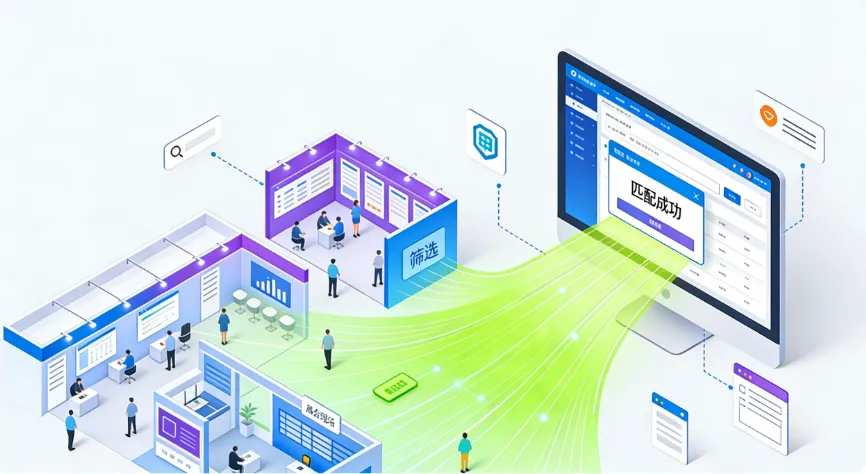
Leveraging Global Customs Data to Identify High-Potential Overseas B2B Buyers
In an increasingly competitive global trade environment, pinpointing genuine overseas buyers is crucial for optimizing sales efforts and boosting revenue. Leveraging real-time customs data spanning over 80 countries offers a transformative method for B2B exporters to accurately identify and engage high-potential procurement companies. This data-driven approach reduces wasted communication with low-quality leads and streamlines international market expansion.
Understanding the Core Value of Customs Data in B2B Customer Acquisition
Customs data consists of import and export declarations filed worldwide, revealing invaluable transactional insights such as shipment volumes, trade partner information, product classifications, and shipping frequency. Unlike traditional lead lists or trade directories, customs data directly reflects authentic buying behaviors verified by authorities, providing a reliable foundation for prospect screening.
By tapping into these datasets, exporters can identify buyers that demonstrate stable import patterns, frequent purchase cycles, and credit-worthy histories. Furthermore, customs data allows cross-verification of target companies’ declared import categories — providing a real view into their active product interests rather than just self-reported profiles.
Key Data Fields and Semantic Techniques for Effective Buyer Identification
Critical customs data elements include:
- HS Codes Stability: Consistent importation under specific Harmonized System (HS) codes signals sustained buyer demand in targeted product categories.
- Purchase Frequency & Volume: Recurring imports with significant volume highlight serious buyers versus sporadic orders.
- Declared Importer Identity: Cross-referencing company registrations and credit ratings can validate buyer reliability.
Advanced semantic analysis augments traditional filtering by matching buyer descriptions, product keywords, and shipping notes. Algorithms sift through free-text customs remarks and shipment annotations to discover latent buyer intent and weed out irrelevant records. This layered approach drastically improves hit rates and engagement quality.
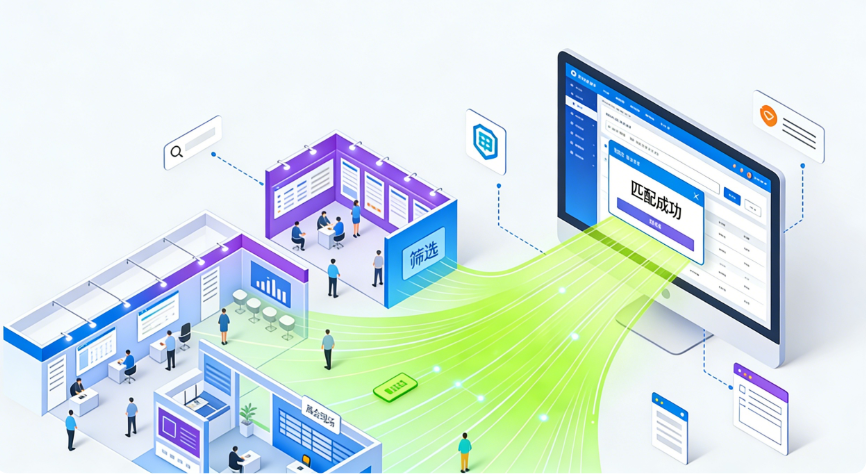
Avoiding Common Pitfalls in Overseas Buyer Identification
Misinterpretation of customs data can lead to false positives, wasting sales resources on non-serious or intermittent buyers. Typical mistakes include:
- Confusing importers with intermediaries or freight forwarders who do not conduct direct purchasing.
- Overlooking company credit scores which indicate payment reliability.
- Relying exclusively on HS codes without considering purchase frequency or shipment consistency.
To address these, a five-step screening checklist optimizes buyer qualification:
- Validate importer’s business registration and credit profile.
- Confirm shipment regularity and volume thresholds aligned with your product scale.
- Verify HS code relevance to your product offerings.
- Apply semantic keyword analysis on customs annotations to assess product match.
- Cross-check contact information and prior engagement records for response likelihood.

Case Study: Driving Sales Growth Through Data-Driven Buyer Targeting
A mid-sized electronics exporter targeting Asian and European markets integrated customs data analytics into their lead generation workflow. By applying HS code stability filters and semantic analysis to a dataset of 50,000+ shipment records, the sales team identified approximately 1,200 high-potential buyers showing >4 monthly imports with consistent volumes over 6 months.
Subsequent outreach campaigns focusing on these data-verified prospects resulted in a 35% increase in qualified inquiries and a 20% uplift in conversion rates within three quarters—significantly outperforming prior efforts that relied on traditional directories. The data-driven methodology also decreased unproductive communication time by nearly 50%.

Crafting a Systematic Acquisition Strategy Based on Customs Data
To comprehensively harness customs data, exporters should adopt a systematic approach integrating data acquisition, automated filtering, semantic enrichment, and actionable intelligence delivery:
- Data Collection: Partner with reputable customs data providers offering real-time, granular datasets across priority geographies.
- Data Cleaning & Validation: Employ algorithms to standardize trading partner names and validate against corporate registries.
- Filtering & Segmentation: Use multi-dimensional KPIs—HS stability, purchase frequency, creditworthiness—to shortlist prospects.
- Semantic & Behavioral Analysis: Leverage NLP techniques to understand buyer intent in free-text shipment notes.
- Integration with CRM & Outreach Tools: Seamlessly feed verified leads into sales workflows for targeted campaigns.
Deploying such an end-to-end pipeline enhances lead quality while minimizing human error and operational costs.
.png?x-oss-process=image/resize,h_100,m_lfit/format,webp)
.png?x-oss-process=image/resize,h_100,m_lfit/format,webp)

.png?x-oss-process=image/resize,h_100,m_lfit/format,webp)
.png?x-oss-process=image/resize,h_100,m_lfit/format,webp)
.png?x-oss-process=image/resize,h_100,m_lfit/format,webp)
.png?x-oss-process=image/resize,h_100,m_lfit/format,webp)
