.png?x-oss-process=image/resize,h_100,m_lfit/format,webp)

.png?x-oss-process=image/resize,m_lfit,w_200/format,webp)

热门产品

热门文章
2025年高回复率圣诞节邮件模板 TOP5和圣诞祝福短语 TOP20!
求求别再发感恩节祝福了!这么做才是外贸客户最喜欢的
外贸网站建设工具综合分析:如何选择支持多语言切换和跨境SEO合规性的平台?
如何有效跟进样品测试后的客户
非英语市场动态俄语关键词权重调整:提升跨境B2B营销转化
惊天蜕变!这家外贸公司用“1+AI”模式缩短客户开发周期50%
从默默无闻到订单如潮:AB客AI客户拓展赋能B2B外贸企业逆袭!
避坑指南:外贸新手最常见的50 个贸易陷阱和应对指南!
一天一个建站小知识: 5步选到好记又合规的域名(新手必看版)
新人必读:外贸询价阶段客户回复率飙升的惊人秘诀!
Recommended Reading





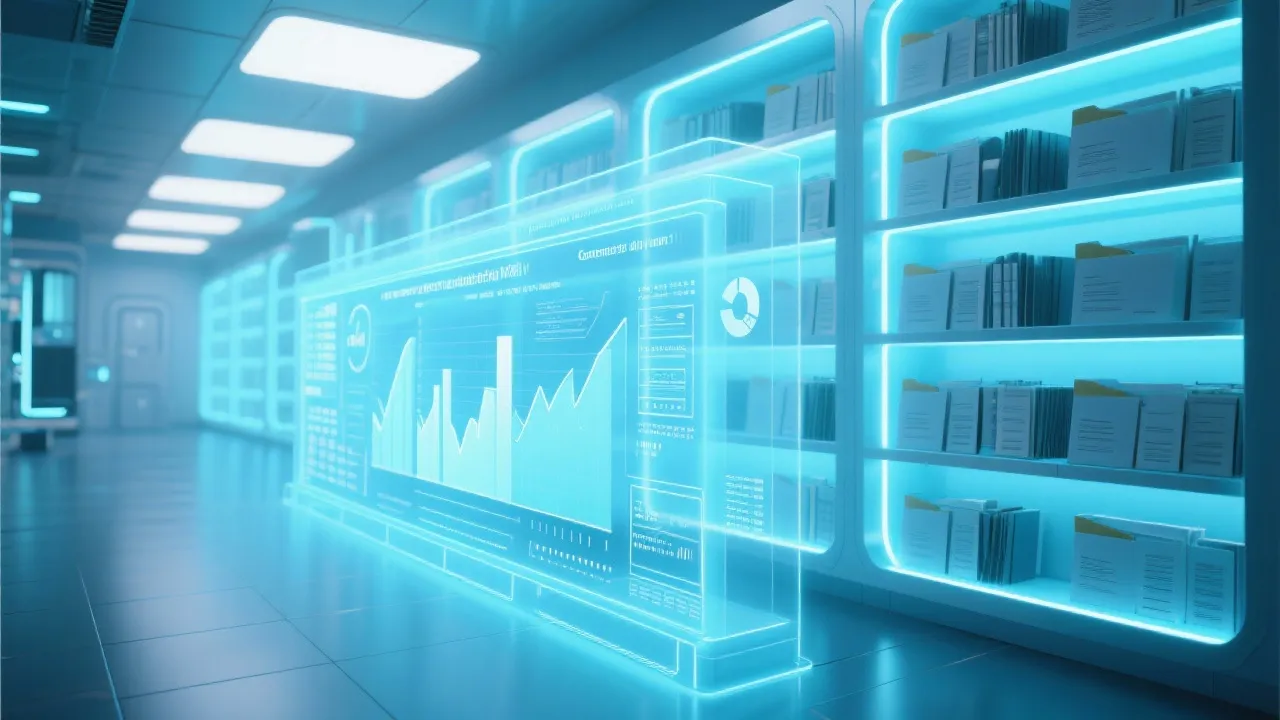




Practical Guide to Screening B2B Foreign Trade Customers: Pinpoint High-Value Business Opportunities from a 200-Million Enterprise Database
Faced with a global enterprise database of over 200 million companies, foreign trade B2B teams often find themselves in a 'data overload' dilemma - how to efficiently screen high-value customers? This article details a scientific and implementable customer screening methodology: Assigning weights to multi-dimensional indicators such as company size, industry attributes, transaction records, and social media activity. It also uses a purchase behavior prediction algorithm to assess customer maturity. Practical tips are provided, like filtering out invalid contacts, constructing a priority scoring system, and time management strategies to help you focus on target customers with real conversion potential, significantly enhancing sales efficiency and conversion rates. It's suitable for foreign trade teams just starting out or stuck at the customer quality bottleneck to quickly get on board.

In the vast landscape of global trade, B2B enterprises are constantly inundated with an overwhelming amount of data. With over 200 million businesses in the global database, you may find yourself in a predicament known as the 'data deluge.' The challenge lies in how to sift through this vast sea of information to efficiently identify high-value customers. This guide will walk you through a scientific and actionable customer screening methodology that can significantly enhance your sales efficiency and conversion rates.
The Common Pain Points in Customer Screening
As an international trade team, you're likely aware of the difficulties in customer screening. A staggering 70% of your time might be spent on leads that ultimately don't convert into sales. This inefficiency not only drains your resources but also limits your potential for growth. The root cause often lies in the lack of a systematic approach to filtering and prioritizing customers.
Multi-Dimensional Customer Screening Model
To overcome these challenges, you need a comprehensive screening model that takes into account multiple dimensions. Here are the key factors and their weightings:
1. Company Size
Larger companies often have more stable demand and greater purchasing power. Allocate around 30% of your screening weight to company size. You can categorize companies into small, medium, and large based on their annual revenue or number of employees.
2. Industry Match
Companies in industries closely related to your products or services are more likely to be interested in your offerings. Assign approximately 25% of the weight to industry match. You can use SIC or NAICS codes to determine the relevance of a company's industry to yours.
3. Transaction History
A company's past purchasing behavior is a strong indicator of its future potential. Dedicate about 20% of the weight to transaction history. Look at the frequency, volume, and recency of their past purchases.
4. Social Media Activity
Active engagement on social media platforms can suggest a company's openness to new business opportunities. Allocate 15% of the weight to social media activity. Monitor their posts, shares, and interactions related to your industry.
You can visualize these weightings using a radar chart (see  ), which helps you understand the relative importance of each dimension at a glance.
Purchase Behavior Prediction Algorithm
In addition to the multi-dimensional screening model, you can leverage a purchase behavior prediction algorithm to further identify high-intent customers. This algorithm analyzes historical data to predict the likelihood of a company making a purchase in the future. For example, by analyzing the data of 1000 companies, you may find that 80% of your actual customers come from the top 10% of the screened options using this algorithm.
Practical Operational Guidelines
1. Setting Effective Filtering Conditions
Filter out invalid contacts by using criteria such as email validity, job title relevance, and corporate domain. This can save you up to 40% of your time spent on unproductive leads.
2. Establishing a Customer Priority Scoring System
Create a scoring system based on the above screening criteria. For example, you can assign points to each dimension and calculate a total score for each customer. Try using this simple formula to calculate your customer score: Score = (Company Size Score x 0.3) + (Industry Match Score x 0.25) + (Transaction History Score x 0.2) + (Social Media Activity Score x 0.15). This way, you can easily prioritize your leads and focus on the most promising ones.
3. Optimizing Time Allocation
Based on the customer scores, allocate your time and resources more effectively. Spend more time on high-scoring customers while maintaining a basic level of communication with low-scoring ones. This can increase your conversion rate by up to 30%.
To illustrate the effectiveness of these strategies, let's look at a real case. Company X implemented these customer screening methods and saw a 50% increase in their conversion rate within six months. You can find a detailed breakdown of their data in the bar chart below (see  ).
).
Empower Your Business with AB客's Automated Screening Tools
Now that you understand the importance of a scientific customer screening process, it's time to take action. AB客 offers an intelligent screening engine that automates the entire process, saving you time and effort. With its advanced algorithms and real-time data analysis, you can quickly identify high-value customers and focus on closing deals.
.png?x-oss-process=image/resize,h_100,m_lfit/format,webp)
.png?x-oss-process=image/resize,h_100,m_lfit/format,webp)

.png?x-oss-process=image/resize,h_100,m_lfit/format,webp)
.png?x-oss-process=image/resize,h_100,m_lfit/format,webp)
.png?x-oss-process=image/resize,h_100,m_lfit/format,webp)
.png?x-oss-process=image/resize,h_100,m_lfit/format,webp)
