.png?x-oss-process=image/resize,h_100,m_lfit/format,webp)

.png?x-oss-process=image/resize,m_lfit,w_200/format,webp)

热门产品

热门文章
零代码建站:B2B出口企业提升国际竞争力的技术秘诀!
全球B2B客户开发全流程解析:从潜在商机识别到精准客户锁定的实用指南
外贸行业的招聘需求与职业发展方向
行业研究:外贸B2B报价谈判中的心理战术与策略
B2B贸易中的全球支付偏好:优化收款流程以提高转化率
灵活接单技巧详解:企业如何通过动态MOQ赢得淡季订单?
实操干货!催款无回应,外贸催款实用技巧及话术模板!
行业研究:国际贸易中B2B报价谈判的关键策略与技巧
如何利用多维数据筛选优质B2B客户:一套行之有效的外贸团队方法
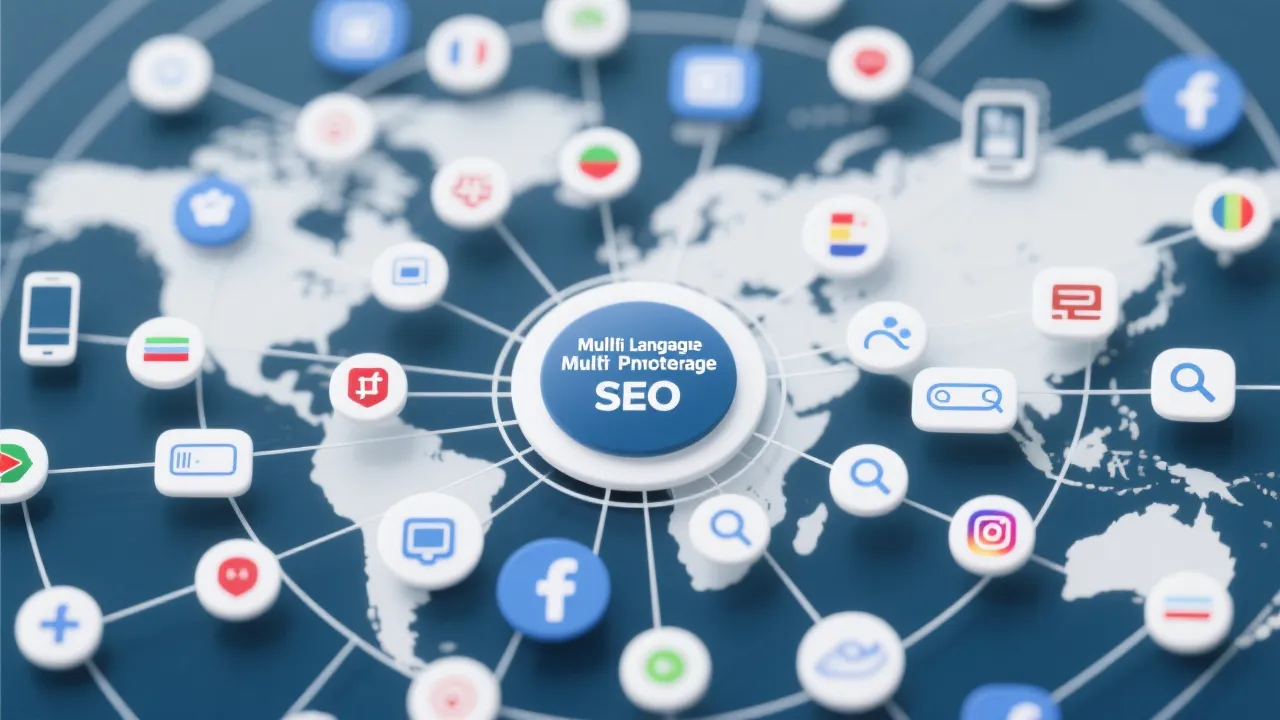
跨境B2B营销新趋势:多语言关键词动态调整机制如何提升转化效率
Recommended Reading

(1).png?x-oss-process=image/resize,h_1000,m_lfit/format,webp)


(1).png?x-oss-process=image/resize,h_1000,m_lfit/format,webp)




How to Reduce Trade Financing Bad Debt Risk with Customs Data and Credit Assessment
This article explores how B2B exporters can leverage customs data and global enterprise credit scoring to minimize bad debt risk in trade financing. By applying AI-powered data mining, predictive procurement behavior modeling, and multilingual keyword monitoring, businesses gain actionable insights for identifying high-potential clients and enhancing financial resilience. Real-world examples—such as detecting credit fluctuations in Southeast Asian buyers—demonstrate practical implementation. Designed for finance and risk teams, this guide combines technical rigor with operational clarity, empowering smarter, data-driven trade decisions.
How to Reduce Trade Financing Bad Debt Risk Using Customs Data & Credit Scoring
For B2B exporters and importers, trade financing remains a critical lifeline—but also one of the highest-risk areas in international commerce. According to the World Bank, nearly 14% of global trade finance transactions face delays or defaults due to poor credit assessment. Traditional methods—relying on bank statements, invoices, or basic credit reports—are no longer sufficient in today’s fast-moving markets.
The Hidden Cost of Information Asymmetry
Many businesses still operate with fragmented data sources. A study by McKinsey found that companies using only internal records for buyer vetting experience 3x higher bad debt rates than those leveraging external intelligence. The problem? You can’t manage what you don’t measure—and without real-time visibility into a buyer’s procurement behavior, you’re flying blind.
From Data to Insight: How AI-Powered Tools Transform Risk Management
Modern solutions now combine customs transaction data (like shipment volumes, frequency, and origin) with enterprise-level credit scores from platforms like Dun & Bradstreet or Creditsafe. By applying machine learning algorithms, these systems can predict whether a buyer is likely to pay on time—or default—based on historical patterns.
Example: One Vietnamese electronics supplier reduced their bad debt rate from 7.2% to 2.1% within six months after implementing a dynamic risk scoring engine tied to customs flows. Why? Because they stopped guessing and started knowing.
Build Your Own Multilingual Keyword Monitor
To stay ahead, monitor how buyers talk about your products across languages and regions. Use tools that track keywords like “bulk order,” “urgent shipment,” or “payment terms” in English, Spanish, Arabic, and Mandarin. When a keyword spikes—say, “we need faster delivery”—it may signal an upcoming purchase wave or potential cash flow issue.
These signals, when combined with behavioral indicators (e.g., sudden increase in order size followed by delayed payments), create a powerful early warning system. In fact, companies using this approach see up to 40% faster detection of high-risk clients, allowing them to adjust credit limits before losses occur.
Why This Works Across Markets
Whether you're dealing with a German manufacturer, a UAE distributor, or a Brazilian importer, the principles remain consistent: transparency builds trust, and data drives decisions. Unlike traditional credit checks—which often take weeks—AI-driven models deliver actionable insights in hours, enabling faster financing approvals and smarter risk allocation.
And it's not just about avoiding loss—it’s about building long-term relationships. Buyers who feel understood are more likely to become repeat customers, even during economic downturns.
Ready to Turn Data Into Confidence?
Discover how our platform helps B2B exporters reduce bad debt risk by up to 60% through intelligent customs + credit analysis—without adding complexity to your workflow.
See Real-Time Risk Scoring in Action.png?x-oss-process=image/resize,h_100,m_lfit/format,webp)
.png?x-oss-process=image/resize,h_100,m_lfit/format,webp)

.png?x-oss-process=image/resize,h_100,m_lfit/format,webp)
.png?x-oss-process=image/resize,h_100,m_lfit/format,webp)
.png?x-oss-process=image/resize,h_100,m_lfit/format,webp)
.png?x-oss-process=image/resize,h_100,m_lfit/format,webp)
