.png?x-oss-process=image/resize,h_100,m_lfit/format,webp)

.png?x-oss-process=image/resize,m_lfit,w_200/format,webp)

热门产品

Popular articles
High Costs and Low Effectiveness of Traditional Foreign Trade Marketing? The '1+AI' Model Initiates a New Journey of Cost Reduction and Efficiency Enhancement
Customized strategies and writing tips for trade development letters for brand merchants
A must-read for new foreign trade professionals: A complete guide to efficient learning during the off-season to quickly improve practical skills!
Use ABke Intelligent Website Building: A practical guide to build an independent website with high Google scores in 20 minutes!
Navigating Transportation Risks in International Trade: Practical Strategies and Insurance Insights
What taxes and fees are involved in sample shipping?
Regional Multi-Site Strategy for B2B Export: Boosting Visibility, Reducing Bounce Rate, and Increasing Conversions
African Market B2B Exports: A Summary of Strategies Behind Successful Cases
Recommended Reading
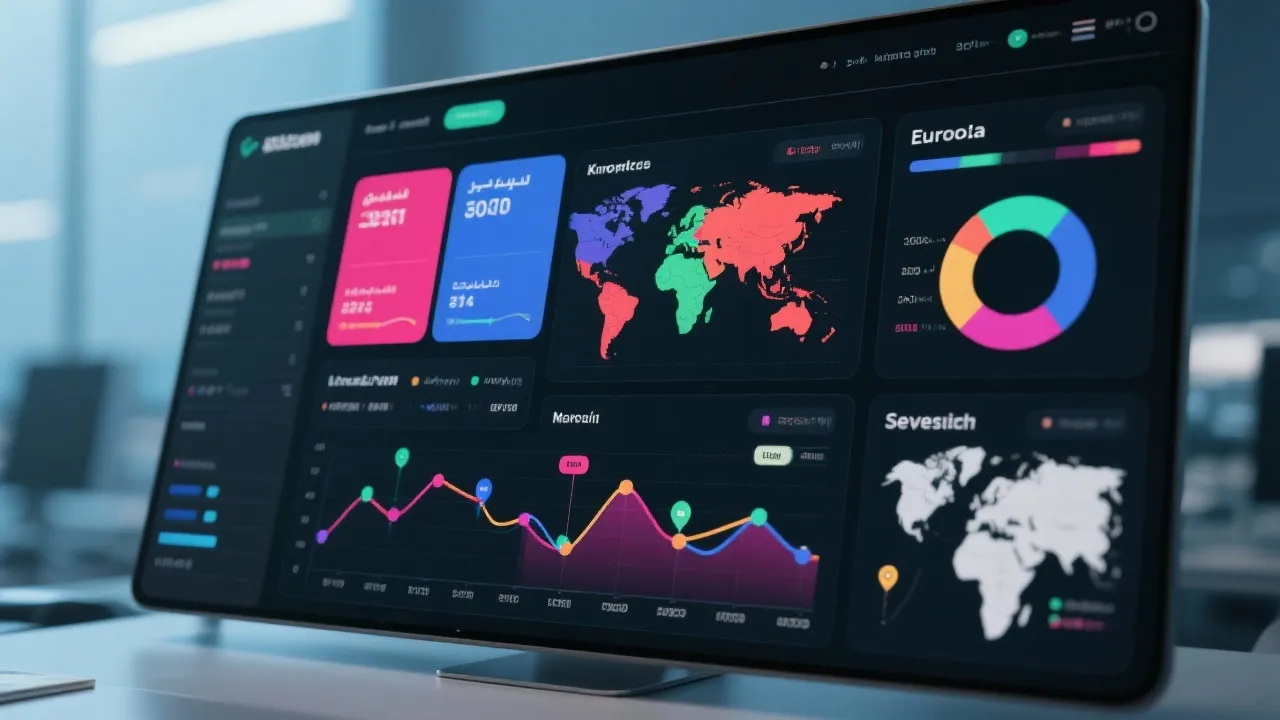






Regionalized Multi-Site Management: Empowering Global B2B Export Growth with Multi-Website Solutions
Looking to boost local conversion rates in your global B2B export business? Multi-site management is becoming the new standard for companies expanding overseas. This article explores how regionalized website strategies, combined with ccTLD domains, localized content adaptation, and structured SEO configurations, create a high-trust, high-visibility site matrix. Leveraging automated deployment tools and Google's adaptive algorithm optimizations, you can maintain site scores above 90, significantly reduce bounce rates, and improve landing page conversion efficiency—turning overseas visitors into genuine orders.
Why Single Global Websites Limit Your B2B Expansion
As a global B2B enterprise aiming to conquer diverse international markets, relying on a single, centralized website is increasingly problematic. Despite the simplicity it offers, it falls short in addressing nuances of local search behavior, language preferences, and cultural expectations. This often leads to low engagement, diminished trust, and poor conversion rates in target regions.
Industry studies show that localized websites experience up to 55% higher engagement and can increase conversion rates by 30%-50% compared to generic global sites. This is primarily because local domain extensions (ccTLDs), custom content, and proper SEO adjustments signal relevancy and authority to both users and search engines.
The Multi-Site Approach: Architecting Regional Presence
Deploying a multi-site group—a matrix of regional websites each with its own ccTLD domain or geo-targeted subdomain—is the optimal strategy to enhance local trust and search visibility. Here is how this strategy plays out:
| Element | Benefit |
|---|---|
| ccTLD Domains (e.g., .de, .fr, .sg) | Instantly signals regional relevance to search engines and users; boosts Google rankings within specific markets by 20%-30% |
| Content Localization | Offers culturally adapted messaging and terminology, increasing user trust and reducing bounce rates by over 40% |
| Structured SEO & Schema Markup | Improves SERP appearance and click-through rates (CTR) by 15%-25%, while avoiding harmful duplicate content penalties |
| Mobile Optimization & Page Speed | Ensures seamless user experience, critical for retaining international buyers—mobile-first indexing can improve rankings by ~20% |
Automation & Google Algorithm Adaptation: Ensuring Scalability and Stability
Managing multiple regional websites may seem resource-intensive. However, modern automation tools enable you to deploy, update, and sync clusters of sites efficiently:
- Batch deployment with template reuse slashes initial build time by up to 70%
- Version synchronization ensures consistency while allowing regional content independence
- Automated SEO audits detect and rectify issues such as broken links, duplicate metadata, or slow loading pages
Coupled with Google's dynamic algorithm improvements, such as core web vitals and AI-powered content assessment, maintaining a Google PageSpeed Insights score above 90 ensures your sites rank with a high degree of organic trust and visibility.
Practical Rollout: A 5-Step Framework to Launch Your German B2B Site
To concretize the multi-site strategy, here is a replicable action list for setting up your Germany-focused site, often a valuable European market:
- Register a
.deccTLD that aligns with your brand and keywords. - Develop fully localized content, including product descriptions, customer testimonials, and blogs, aligning with German business culture and language nuances.
- Implement schema.org structured data for products, organizations, and breadcrumbs to enhance SERP features.
- Optimize mobile experience with accelerated mobile pages (AMP) and image compression tailored for local networks.
- Use automation platforms to integrate continuous Google Analytics and Google Search Console monitoring, enabling real-time SEO performance tuning.
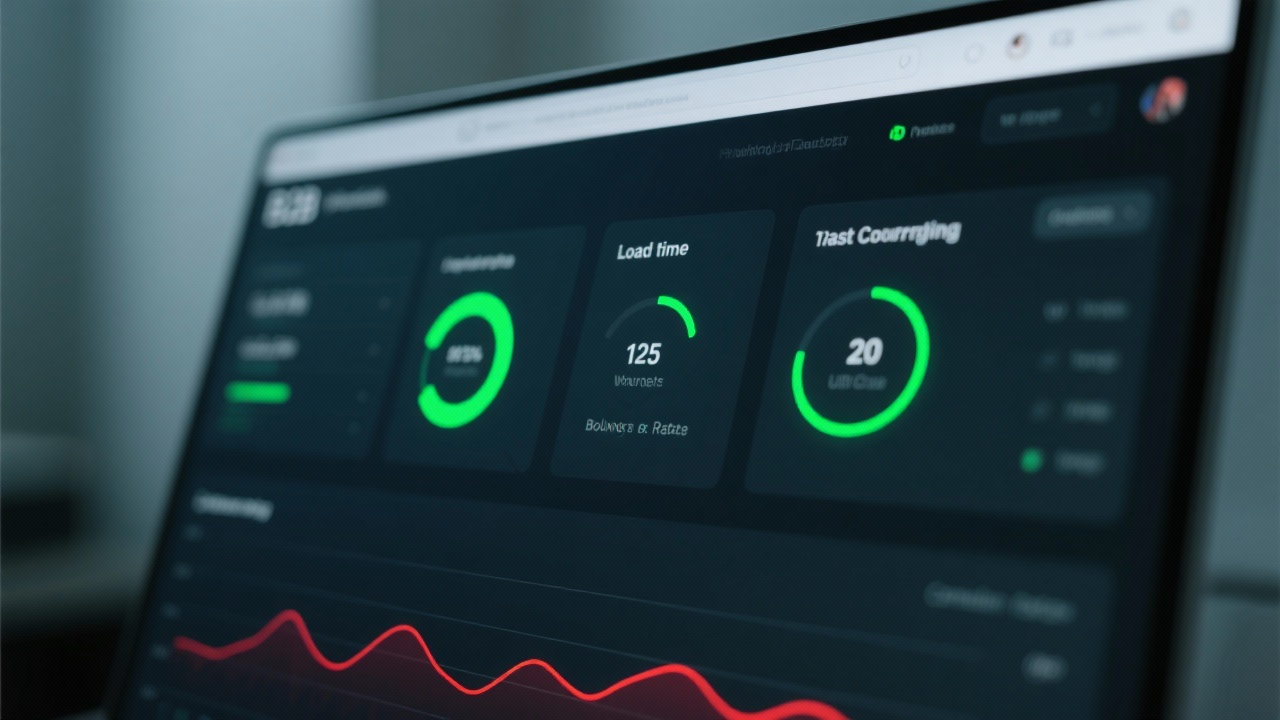
Case Insights from Leading Export Markets
Industrial manufacturers targeting Europe, e-commerce players entering Southeast Asia, and SaaS providers expanding across North America have all adopted multi-site constructs with strong success:
- European Industrial Goods: Achieved 42% organic traffic growth year-on-year post-multi-site implementation.
- Southeast Asian E-Commerce: Enhanced conversion rates by 35% due to region-specific language and cultural alignment.
- North American SaaS: Maintained Google PageSpeed scores above 92 across multiple subdomains with real-time auto-tuning.
Elevate Your Global Reach with Proven Multi-Site Strategy
Ready to transform your B2B online presence and capture local markets effectively? Discover our step-by-step regional site setup guide now and unlock untapped international growth.
.png?x-oss-process=image/resize,h_100,m_lfit/format,webp)
.png?x-oss-process=image/resize,h_100,m_lfit/format,webp)

.png?x-oss-process=image/resize,h_100,m_lfit/format,webp)
.png?x-oss-process=image/resize,h_100,m_lfit/format,webp)
.png?x-oss-process=image/resize,h_100,m_lfit/format,webp)
.png?x-oss-process=image/resize,h_100,m_lfit/format,webp)
