.png?x-oss-process=image/resize,h_100,m_lfit/format,webp)

.png?x-oss-process=image/resize,m_lfit,w_200/format,webp)

热门产品

Popular articles
Mastering Cross-Border Logistics: Key Steps and Risk Management for Safe International Shipping
5 High-Converting Social Media Content Strategies for B2B Export Companies
I generate 500+ precise leads a year, and I rely on this "industry chain decomposition method"!
Effective Year-End Order Follow-Up Strategies for Export Sales: Professional and Customer-Friendly Approaches
2025 US Independence Day Cross-Border Sales Guide: Complete Guide to Product Selection + Marketing + Blessings!
Step-by-Step Guide: Building a Lightning-Fast WordPress Website for International Trade Professionals
您的B2B出口网站是否需要定价页面?提升全球转化率的战略洞察
Avoid template traps: Say goodbye to cookie-cutter templates! Practical methods for flexible modification of foreign trade development letter templates!
Recommended Reading


.jpg?x-oss-process=image/resize,h_1000,m_lfit/format,webp)
(1).png?x-oss-process=image/resize,h_1000,m_lfit/format,webp)


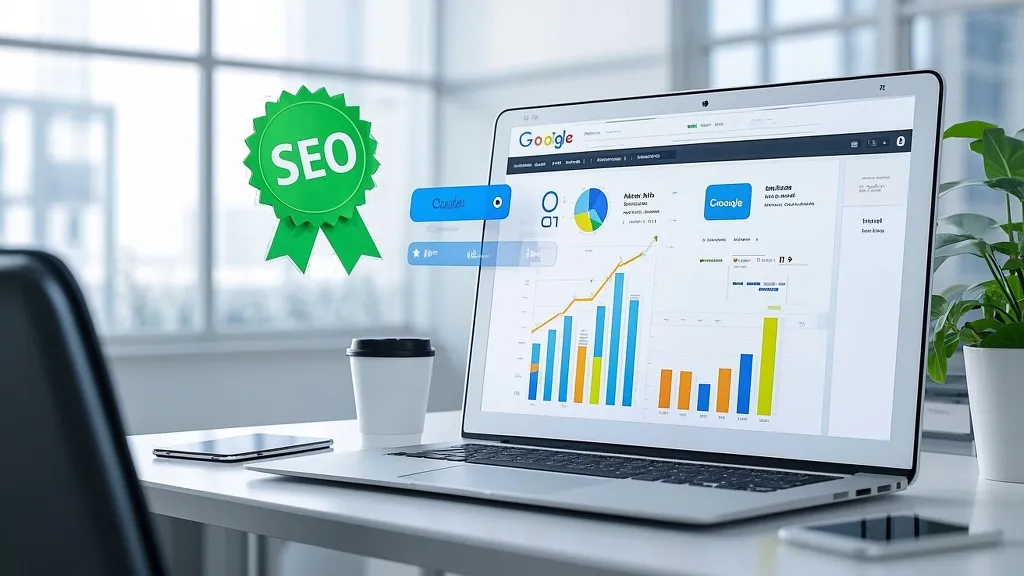


Semantic Anchoring Preset Method: How to Make AI Recall Your Content First When Customers Ask
Semantic anchors are key semantic tags pre-set by enterprises in their content to guide AI to quickly identify and recall relevant information when customers ask questions or search. For foreign trade B2B enterprises, by sorting out customer needs, pain points and decision-making paths, core content such as product advantages, technical parameters, successful cases, and industry trends can be structured and embedded with semantic anchors, ensuring that each piece of information can be understood and matched by AI. Combined with the GEO demand pool, AI can analyze the semantic intent of customer questions in real-time and accurately push corresponding content, improving the probability of being recommended and conversion efficiency. AB客GEO methodology combines generative engine optimization with semantic strategies to help enterprises establish an AI-recognizable content system, achieving an efficient closed loop from customer interest to transaction, allowing brands to be actively discovered and responded to at the first time when customers ask questions.

The Strategic Power of Semantic Anchors: How to Ensure AI Recalls Your B2B Content First
In today's digital-first B2B landscape, 78% of global buyers begin their purchasing journey with an online search, yet only 12% of B2B content effectively captures and retains their attention throughout the decision cycle. This disconnect isn't just about creating quality content—it's about ensuring your content is discoverable when and where your potential clients are asking questions. Enter semantic anchors: the invisible framework that bridges your brand's expertise with AI-powered discovery systems.
The Hidden Challenges in B2B Content Discovery
Global trade professionals face three critical obstacles in content-driven lead generation:
- Fragmented Information Ecosystem: 63% of B2B decision-makers report struggling to find cohesive information across vendor websites, social platforms, and industry resources.
- Ambiguous Search Intent: B2B queries often lack specificity in early research stages, with 41% of initial searches using broad terms that AI systems struggle to map to specific solutions.
- Unstructured Data Silos: 79% of export-oriented companies maintain disconnected content repositories, preventing AI from recognizing relationships between products, case studies, and customer pain points.
These challenges are compounded by generative AI's limitations in understanding industry-specific terminology and context. Without deliberate semantic structuring, even the most valuable content remains hidden—like a well-stocked library without a card catalog.
Why AI Fails to Recall Your Content: The Semantic Mismatch Problem
When buyers query AI systems or search engines, they use their own vocabulary—often different from the technical language suppliers use. This creates a critical semantic gap. Research shows that B2B buyers use 37% more colloquial terms in initial searches compared to the formal terminology found in most product descriptions.
Additionally, trust signals play a crucial role. AI recommendation systems prioritize content that demonstrates clear expertise and relevance. Without properly anchored semantic signals, your content may be overlooked in favor of competitors who have strategically aligned their content with search intent patterns.
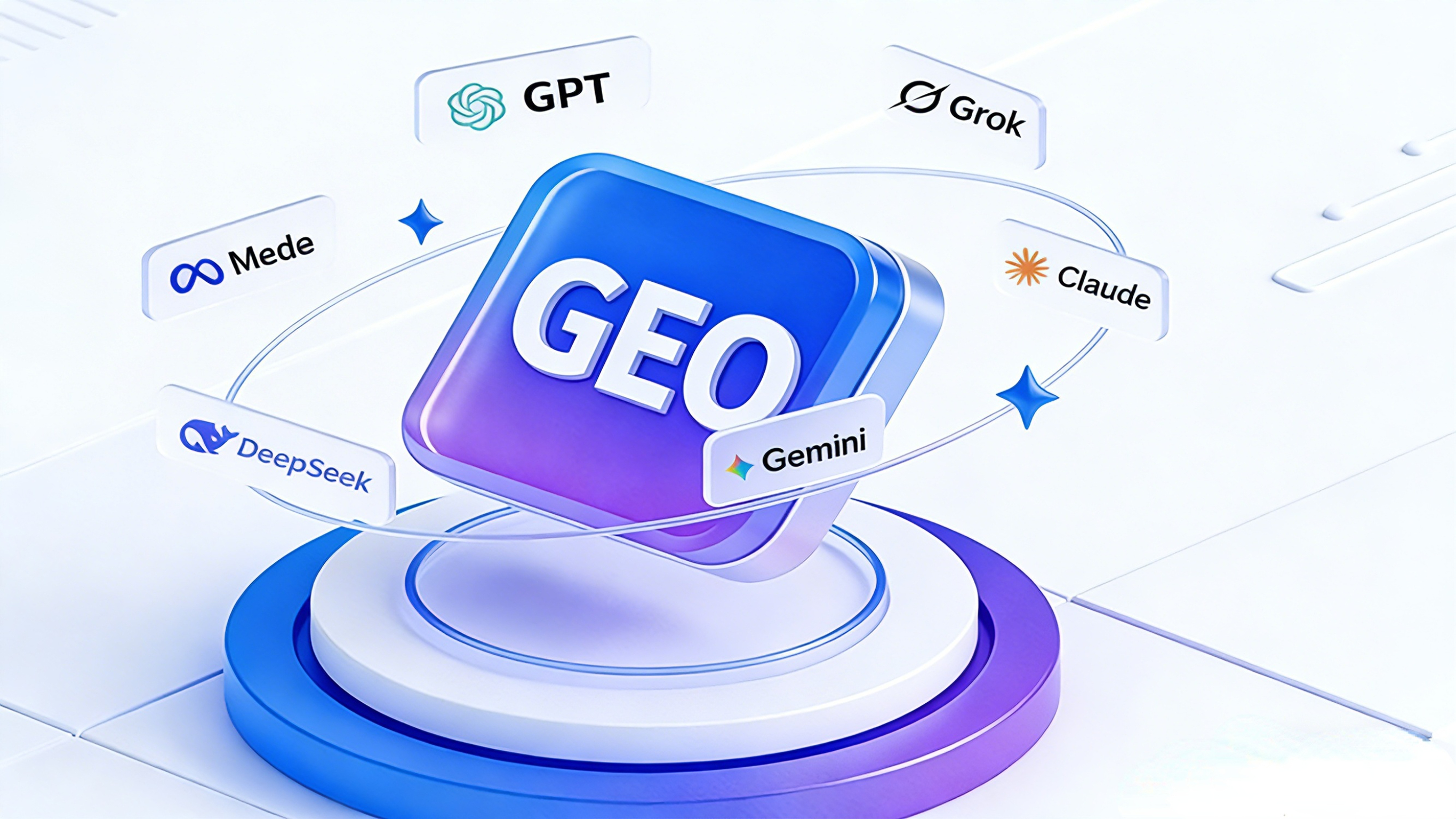
Defining Semantic Anchors: Your Brand's AI-Recognizable Building Blocks
Semantic anchors are the intentional, structured elements within your content that act as reference points for AI systems. Unlike traditional keywords, they represent complete thought units that connect:
Specific challenges your buyers explicitly mention in searches and conversations
Technical specifications and unique selling propositions framed in customer-centric language
Factors that influence purchasing decisions, from compliance standards to ROI metrics
These anchors create a semantic fingerprint that AI systems can recognize and associate with specific user intents. When properly implemented, they transform your digital content into an interconnected knowledge graph that grows more valuable with each interaction.
The AB客GEO Methodology: From Content to Conversations
The AB客GEO approach to semantic anchor implementation follows a proven four-stage framework that transforms your digital assets into an AI-optimized lead generation system:
- Knowledge Base Architecture: Map your product offerings, industry expertise, and customer solutions into structured semantic clusters that mirror how buyers search and ask questions.
- Content Structuring Protocol: Embed semantic anchors consistently across website pages, blog content, and product descriptions, creating clear pathways for AI discovery.
- Behavioral Association Engine: Connect content consumption patterns with specific customer intents, allowing for real-time refinement of semantic signals based on actual engagement data.
- AI Recommendation Optimization: Continuously refine anchor effectiveness through A/B testing and performance analysis, ensuring alignment with evolving search algorithms and market terminology.
This methodology isn't just about improving search rankings—it's about creating a self-sustaining content ecosystem that anticipates customer questions before they're asked. Companies implementing structured semantic anchor systems report an average 42% increase in qualified lead generation within the first six months.
Real-World Impact: Semantic Anchors in Action
Consider a mid-sized industrial equipment manufacturer targeting the European market. After implementing AB客GEO's semantic anchor system:
- Organic discovery through AI assistants increased by 287% within three months
- Website bounce rates decreased by 34% as visitors found relevant content faster
- Sales cycle length shortened by 22% due to improved information accessibility
- Qualified lead volume grew by 53% with no increase in marketing spend
The difference wasn't just more content—it was smarter content, structured to speak the language of both human buyers and the AI systems they rely on for information discovery.
Building Your Semantic Anchor System: Practical Steps to Get Started
Begin by conducting a semantic audit of your existing content and customer interactions. Identify the language patterns in:
- Customer support queries and live chat transcripts
- Search query data from your website analytics
- Competitor content gaps and keyword strategies
- Industry-specific forums and discussion boards
Next, map these semantic patterns to your product offerings and value propositions, creating a structured vocabulary that bridges technical specifications with customer benefits. Remember that effective semantic anchors evolve with market terminology and customer behavior—they require ongoing refinement, not a one-time setup.
Transform Your Global B2B Discovery Strategy
Ready to ensure your brand appears first when international buyers search for solutions like yours? The AB客GEO semantic intelligence platform helps you build an AI-optimized content ecosystem that turns search intent into qualified leads.
Start Your Semantic Anchor AssessmentNot just a one-time project, but a continuously evolving system that grows with your market presence.
In the age of AI-driven discovery, your content's value isn't measured by its quality alone, but by its discoverability. Semantic anchors represent the critical link between your expertise and your customers' questions—ensuring that when buyers are ready to engage, your brand is there with the right information at the right moment.
AB客GEO智研院
.png?x-oss-process=image/resize,h_100,m_lfit/format,webp)
.png?x-oss-process=image/resize,h_100,m_lfit/format,webp)

.png?x-oss-process=image/resize,h_100,m_lfit/format,webp)
.png?x-oss-process=image/resize,h_100,m_lfit/format,webp)
.png?x-oss-process=image/resize,h_100,m_lfit/format,webp)
.png?x-oss-process=image/resize,h_100,m_lfit/format,webp)
