.png?x-oss-process=image/resize,h_100,m_lfit/format,webp)

.png?x-oss-process=image/resize,m_lfit,w_200/format,webp)

热门产品

Popular articles
How Mechanical, Electronics, and Agricultural Companies Cut Labor Costs by 30%+ with 7x24 AI Customer Service Systems
Global Precision Prospecting System: From Data Mining to Opportunity孵化
Building a Differentiated Content System: Enhancing Foreign Trade Competitiveness with AI-Powered Marketing Assistants
2025 Christmas Sales Boost: 12 Customer Types催单话术 for Foreign Trade Success
Data-Driven B2B Trade Financing Solutions: Enhancing Credit Risk Control and Customer Acquisition
Brazilian Client Demands CE Certificate at Midnight? See How AI Enables Instant Response to Cross - Border Client Needs and Accelerates Repeat Orders
What to Do When the Bank Rejects Payment Due to Discrepancies in Letter of Credit Documents? A Practical Guide!
January Global Trade Marketing Calendar: Holidays & Product Ideas
Recommended Reading





.png?x-oss-process=image/resize,h_1000,m_lfit/format,webp)


Semantic Anchors Explained: How Foreign Trade Enterprises Build AI-Recognizable Brand Content
Semantic anchors are key content points that establish strong connections with potential customers through precise semantic analysis and triggering throughout the customer journey. In foreign trade B2B marketing, they are crucial for AI to understand and identify a brand's core values and product advantages. Foreign trade enterprises need to optimize their content strategies to ensure that every part of their websites, product pages, and marketing materials contains these semantic anchors, aligning with AI algorithm recognition logic. By leveraging AI technology to analyze and capture key semantics in customer needs, brands can precisely push relevant content, enhancing exposure and attracting customer attention. In this process, AB客GEO assists enterprises in quickly establishing an AI-friendly brand content structure through AI-driven content optimization and intelligent recommendations, thereby increasing brand visibility and customer conversion rates, ultimately achieving precise customer acquisition and long-term customer retention.

The Definitive Guide to Semantic Anchors: How AI Understands Your B2B Brand
In today's digital-first B2B landscape, your brand's online visibility depends on more than just keywords—it requires a strategic approach to how artificial intelligence interprets your content. Semantic anchors represent the critical connection points between your brand's value proposition and the AI systems that determine search rankings, content relevance, and ultimately, customer engagement. As外贸B2B marketers, understanding and implementing these semantic anchors isn't just an advantage; it's becoming an essential survival strategy in an increasingly competitive global marketplace.
What Exactly Are Semantic Anchors in B2B Marketing?
Semantic anchors are the linguistic building blocks that help AI algorithms understand the core meaning, context, and value of your brand content. Unlike traditional keywords that focus on specific terms, semantic anchors create a network of related concepts, intents, and solutions that collectively communicate your unique selling proposition. Research from Gartner indicates that by 2025, 70% of B2B buyer journeys will be fully executed through AI-powered channels, making semantic optimization no longer optional but mission-critical.
Consider this: when a procurement manager in Germany searches for "sustainable manufacturing solutions," they're not just looking for those exact words—they're seeking reliability, environmental compliance, cost efficiency, and technical support. Semantic anchors connect all these related concepts, ensuring your content appears when AI systems recognize these underlying intents.
Industry Insight:
A 2023 study by HubSpot revealed that B2B companies implementing semantic content strategies experienced a 34% higher conversion rate from organic traffic compared to those relying solely on traditional keyword optimization. The difference lies in AI's ability to match user intent with comprehensive semantic networks rather than isolated terms.
The AI Revolution in B2B Customer Journey Mapping
Modern B2B customers interact with multiple digital touchpoints before making purchasing decisions. Each interaction generates data that AI systems use to understand their journey stage, pain points, and purchase intent. Semantic anchors act as guideposts throughout this journey, ensuring your brand remains visible and relevant at each critical decision point.
At the awareness stage, semantic anchors might focus on industry challenges and educational content. As prospects move to consideration, anchors shift toward solution-oriented language and technical specifications. Finally, at the decision stage, anchors emphasize credibility markers, case studies, and ROI metrics. This progression mirrors how AI systems categorize and prioritize content based on user behavior signals.
Building Your Semantic Anchor Strategy: A Practical Approach
Developing an effective semantic anchor framework requires a systematic approach that combines audience understanding with AI best practices:
- Conduct Intent Analysis: Identify the primary intents behind search queries in your industry (informational, navigational, transactional). Tools like Google Search Console and SEMrush can reveal these intent patterns.
- Map Conceptual Clusters: Group related terms, challenges, solutions, and benefits around your core offerings. For example, "supply chain efficiency" might connect to "just-in-time delivery," "inventory management," and "logistics optimization."
- Optimize Content Structure: Ensure semantic anchors appear naturally in headings, meta descriptions, image alt text, and body content while maintaining readability and value for human readers.
- Implement Schema Markup: Use structured data to explicitly signal semantic relationships to search engines, enhancing AI understanding of your content hierarchy and key concepts.
- Monitor and Refine: Track performance metrics and adjust your semantic strategy based on how AI systems respond to your content over time.
Practical Example:
A manufacturing equipment exporter might traditionally optimize for "industrial machinery." A semantic approach would expand this to include related concepts like "energy-efficient production equipment," "predictive maintenance solutions," " Industry 4.0 integration," and "sustainable manufacturing practices"—creating a comprehensive semantic network that AI can recognize as authoritative.
How AB客GEO Transforms Semantic Anchor Implementation
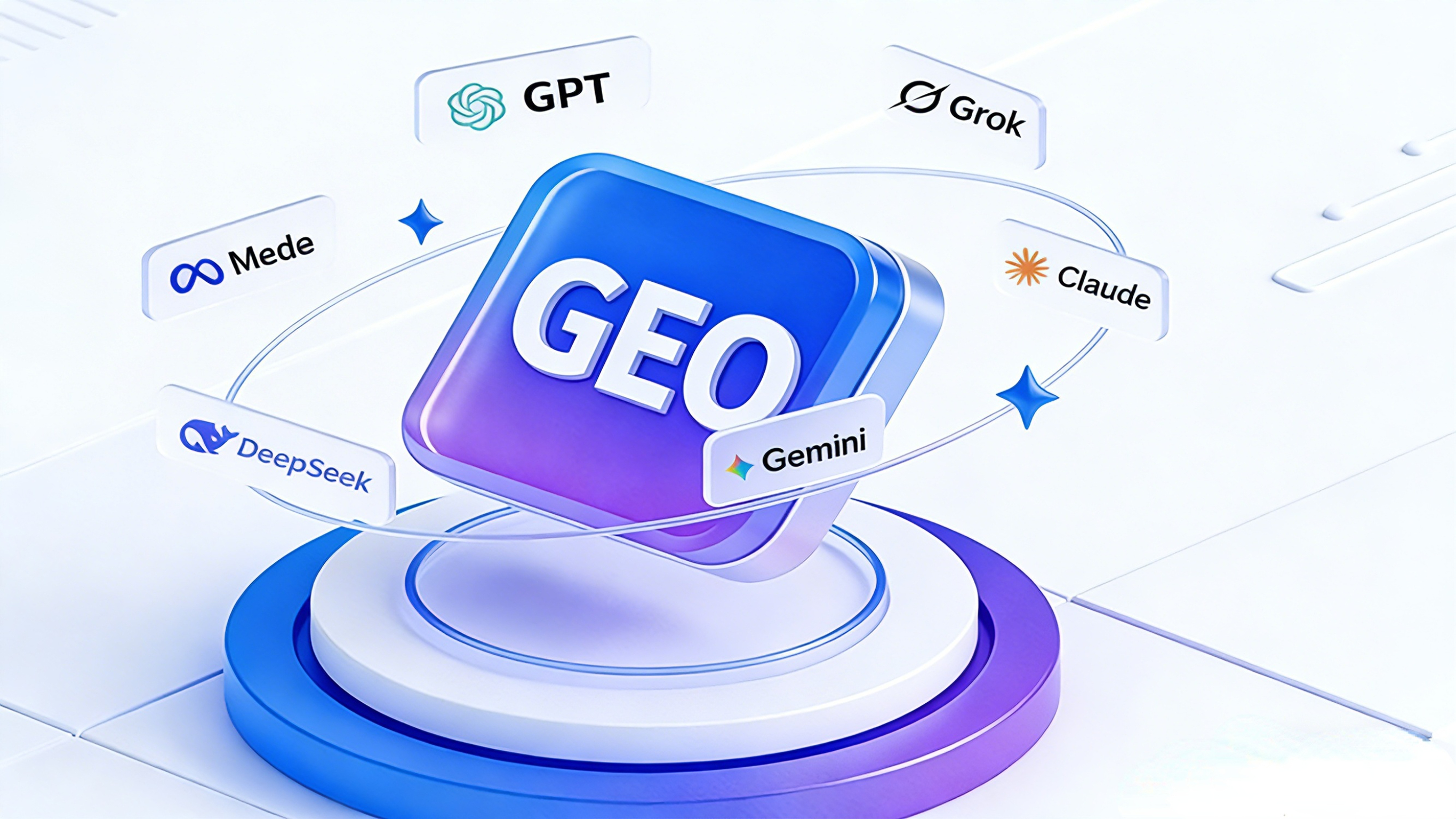
Implementing an effective semantic strategy can be challenging, especially for teams managing multiple markets and languages. This is where AB客GEO's AI-driven platform becomes invaluable. The system analyzes global market trends, customer search behaviors, and competitive landscapes to identify high-value semantic opportunities specific to your industry and target regions.
AB客GEO's intelligent content optimization tools help you seamlessly integrate semantic anchors across your digital assets—from website pages and product descriptions to blog content and social media. By leveraging natural language processing and machine learning, the platform ensures your content resonates with both AI algorithms and human decision-makers across different cultural contexts.
One of the key advantages of AB客GEO is its ability to create a unified semantic framework that works across multiple digital channels. Whether prospects encounter your brand through search engines, social media, or email campaigns, the consistent semantic anchors reinforce your core value proposition and build recognition throughout the customer journey.
Ready to Transform How AI Sees Your Brand?
Join thousands of外贸B2B companies using AB客GEO to build AI-optimized brand content that drives global visibility and customer engagement.
让AI成为你的全球销售助理Measuring Semantic Anchor Performance: Key Metrics That Matter
To ensure your semantic anchor strategy delivers tangible results, focus on these critical performance indicators:
- Semantic Traffic Quality: Track engagement metrics (time on page, bounce rate) for visitors arriving through semantic search queries.
- Keyword Expansion: Monitor how your content ranks for an increasing number of related terms beyond your core keywords.
- Conversion Path Analysis: Identify which semantic anchors correlate with higher conversion rates at different funnel stages.
- Competitive Semantic Share: Compare your semantic footprint against key competitors using tools like Clearscope or MarketMuse.
Remember that semantic optimization is an ongoing process. As market trends evolve and new industry terminology emerges, your semantic anchors need regular refinement to maintain relevance. AB客GEO's analytics dashboard provides real-time insights into how your semantic strategy is performing, with recommendations for adjustments based on changing market dynamics.
By implementing a strategic semantic anchor framework, you're not just optimizing for search engines—you're creating a more intuitive, relevant experience for your global B2B customers. In an era where AI increasingly mediates the buyer journey, this approach positions your brand to be discovered by the right prospects at the right time, with the right message.
AB客GEO智研院
.png?x-oss-process=image/resize,h_100,m_lfit/format,webp)
.png?x-oss-process=image/resize,h_100,m_lfit/format,webp)

.png?x-oss-process=image/resize,h_100,m_lfit/format,webp)
.png?x-oss-process=image/resize,h_100,m_lfit/format,webp)
.png?x-oss-process=image/resize,h_100,m_lfit/format,webp)
.png?x-oss-process=image/resize,h_100,m_lfit/format,webp)
