.png?x-oss-process=image/resize,h_100,m_lfit/format,webp)

.png?x-oss-process=image/resize,m_lfit,w_200/format,webp)

热门产品

Popular articles
Practical Guide: A reliable channel for foreign trade newcomers to obtain customs data - 2025 edition!
From Small Factory to Annual Sales of Tens of Millions: 6 Customer Acquisition Channels for Startups in the Machinery Industry (Including Budget Allocation)
Latest Updates on Australia’s RCM Certification and Strategies for Seamless Entry into the ANZ Market
Is Your Export Business Stuck in the Past? Leverage AI to Create 1000 Targeted Marketing Contents Daily!
Cambodia-Thailand Border Closure: Impact on Key Chinese Industries
A complete guide to target market consumer demand research: a guide to practical methods and tools!
Leveraging Data Insights for Critical Business Growth: Are You Ready?
Mastering the 'I Need to Think About It' Objection: A Proven外贸 Sales Strategy
Recommended Reading
.png?x-oss-process=image/resize,h_1000,m_lfit/format,webp)





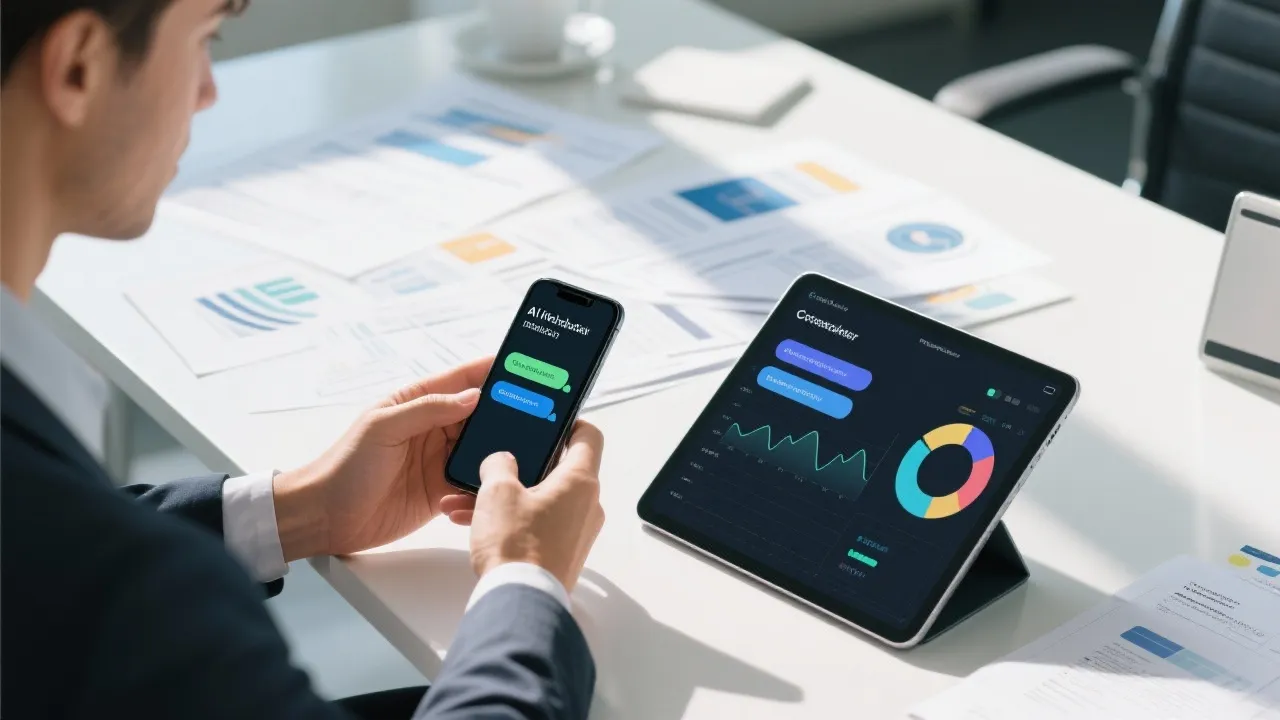
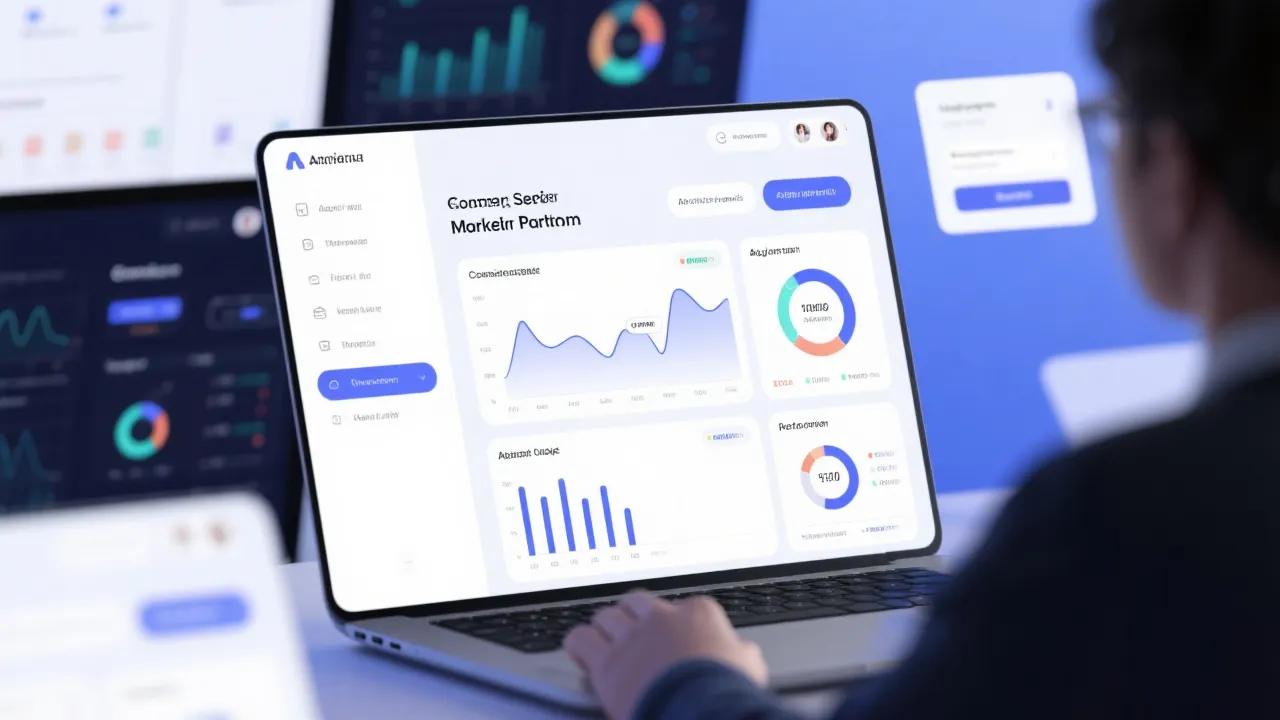
Supply Chain Anomaly Detection SOP: Key Steps for Foreign Trade Enterprises to Identify Potential Buyers 7 Days in Advance
How can foreign trade enterprises identify potential buyers 7 days in advance? This article details the AI-driven methodology for predicting procurement behavior, breaking down the entire process from data cleaning, setting key indicators to model validation. Combined with real cases and reusable SOP templates, it teaches you how to use public data to identify high-intent customers in advance, achieving an upgrade from passive response to proactive customer acquisition.
.png?x-oss-process=image/resize,h_1000,m_lfit/format,webp)
Unleashing the Power of AI: A Step-by-Step Guide to Locking in Potential Buyers 7 Days in Advance
Have you ever lost a deal because you missed the procurement window? In the highly competitive world of international trade, traditional customer acquisition methods often fall short. They are reactive, time-consuming, and lack the precision to identify high-potential buyers in advance. But what if you could turn the tables and proactively engage with potential customers before your competitors do?
This is where AI-driven procurement behavior prediction comes in. By leveraging advanced analytics and machine learning algorithms, you can analyze vast amounts of data to predict when a buyer is likely to make a purchase. In fact, with the right approach, you can identify potential buyers up to 7 days in advance, giving you a significant edge in the market.
Data Input Layer: Integrating Multi-Source Information
The first step in building an effective procurement behavior prediction model is to gather and integrate relevant data from multiple sources. This includes customs records, tender announcements, and industry trends. Customs records provide valuable insights into a buyer's import history, while tender announcements can reveal upcoming procurement opportunities. Industry trends, on the other hand, can help you understand the broader market dynamics and anticipate changes in demand.
To ensure the accuracy and reliability of your data, it's important to implement a data cleaning process. This involves removing duplicate records, correcting errors, and standardizing data formats. By doing so, you can improve the quality of your data and reduce the risk of bias in your analysis.
.png)
Model Construction Layer: Defining Core Indicators
Once you have gathered and cleaned your data, the next step is to define the core indicators that will be used to predict procurement behavior. These indicators can include inventory change rates, keyword popularity, and project initiation signals.
Inventory change rates can be a good indicator of a buyer's future purchasing needs. For example, if a buyer's inventory levels are low, they are more likely to make a purchase in the near future. Keyword popularity can also provide valuable insights into a buyer's interests and intentions. By analyzing the keywords that buyers are using in their searches, you can identify emerging trends and potential procurement opportunities.
Project initiation signals, such as the release of a project proposal or the awarding of a contract, can also be used to predict when a buyer is likely to make a purchase. By tracking these signals, you can stay ahead of the curve and proactively engage with potential buyers before they start their procurement process.
Application Verification Layer: Evaluating Model Performance
After building your procurement behavior prediction model, it's important to evaluate its performance to ensure its effectiveness. This can be done through A/B testing and conversion rate comparisons.
A/B testing involves comparing the performance of two different versions of your model to determine which one is more effective. By randomly assigning buyers to either the control group or the experimental group, you can measure the impact of your model on conversion rates. Conversion rate comparisons, on the other hand, involve comparing the conversion rates of buyers who were targeted by your model with those who were not. This can help you determine the ROI of your procurement behavior prediction strategy.
Business Opportunity Trigger Layer: Automating the Process
Once you have verified the effectiveness of your model, the next step is to implement an automated early warning system. This system can be integrated with your sales team's CRM to ensure seamless collaboration and timely follow-up.
When the system detects a potential business opportunity, it can automatically send an alert to your sales team, providing them with all the relevant information they need to engage with the buyer. This can help you streamline your sales process and increase your chances of converting leads into customers.
Case Studies and Tools
To illustrate the effectiveness of AI-driven procurement behavior prediction, let's look at some real-world case studies. These case studies will show you how other companies have used this strategy to increase their sales and gain a competitive edge in the market.

Ready to take your外贸获客to the next level? Download our exclusive procurement behavior prediction toolkitat en/products/abke-b2b-client-acquisition-system.html and start identifying potential buyers 7 days in advance.
.png?x-oss-process=image/resize,h_100,m_lfit/format,webp)
.png?x-oss-process=image/resize,h_100,m_lfit/format,webp)

.png?x-oss-process=image/resize,h_100,m_lfit/format,webp)
.png?x-oss-process=image/resize,h_100,m_lfit/format,webp)
.png?x-oss-process=image/resize,h_100,m_lfit/format,webp)
.png?x-oss-process=image/resize,h_100,m_lfit/format,webp)
