.png?x-oss-process=image/resize,h_100,m_lfit/format,webp)

.png?x-oss-process=image/resize,m_lfit,w_200/format,webp)

热门产品

热门文章
外贸soho如何起步?外贸soho从0到1:可落地的实操指南(含模板、清单、时间线与KPIs)
当客户说不需要,怎样回复才能让他无法拒绝?附11大拒绝场景话术!
外贸新人常犯错误及解决方案深度剖析
新出口商必备指南:与海外客户快速建立联系的有效技巧及工具推荐!
如何在Facebook上成功举办线上展会并获得国际订单
跨境卖家自建外贸网站指南:从建站到获客,AB客助力打造高效转化引擎
埃及GOEIC CoC认证要点大揭秘:纺织品与IT产品清关必备文件全清单
B2B 出口公司必备:客户难寻,利润下滑?外贸极客AI 营销一招破局!
行业研究:最新出口B2B退汇政策解读!是否受关税战影响?
2026年外贸B2B行业5大新趋势!新人还有没有机会?
Recommended Reading


.jpg?x-oss-process=image/resize,h_1000,m_lfit/format,webp)
Three elements that determine the quality of inquiries in the building materials & hardware industry: renderings, installation videos, and project case studies (2026 Practical Guide).
Why do building materials and hardware companies' overseas websites "have traffic but no good inquiries"? This article analyzes how to reduce procurement decision-making risks, screen high-quality customers, and improve website inquiry conversion rates, starting from three core content categories: renderings, installation videos, and project cases. It is applicable to engineering and B2B foreign trade companies for long-term development.
(2).jpg?x-oss-process=image/resize,h_1000,m_lfit/format,webp)
Foreword
In the building materials and hardware industry, many companies share the same dilemma:
-
The website has been visited
-
Advertising is also being invested in.
-
Also participated in the exhibition
However, the inquiries were either few or of very low quality.
The problem often lies not in "traffic," but in:
The customer was not "convinced" after entering the official website.
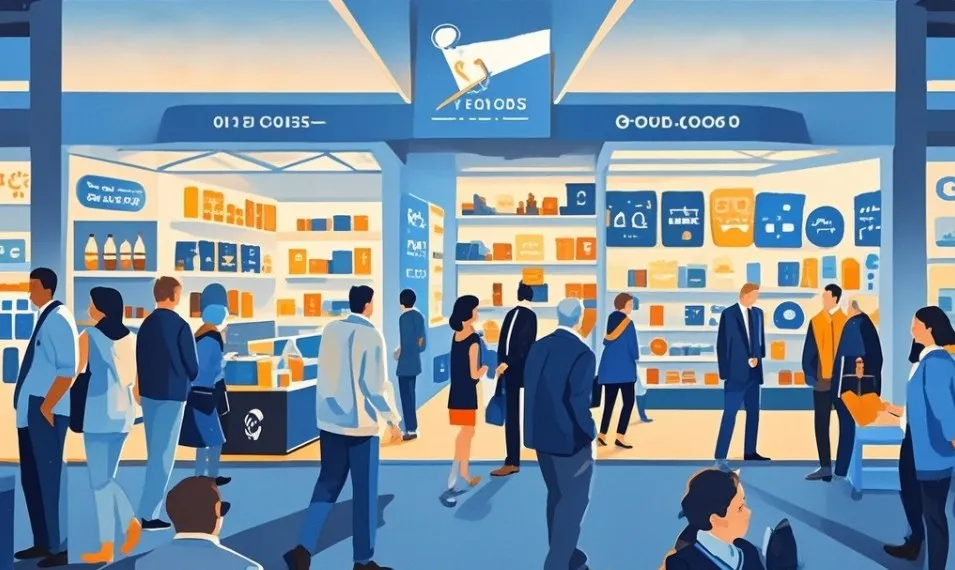
In the building materials and hardware industry, what truly determines whether a customer inquires is not how beautifully the copy is written, but whether three key elements are presented effectively:
-
Renderings
-
Installation video
-
Engineering Cases
Industry tools:
Building Materials & Hardware Customs Data | Building Materials & Hardware Email Mining | Building Materials & Hardware Industry Website Building | Building Materials & Hardware Industry CRM | Building Materials & Hardware Content Marketing | Building Materials & Hardware Social Media Operations
Why is "visual content" so crucial in the building materials & hardware industry?
Unlike fast-moving consumer goods and apparel, building materials and hardware belong to an industry with strong engineering attributes :
-
Customers are hesitant to make a decision because they can't see the finished product.
-
The installation method is incomprehensible, so the contractor is hesitant to use it.
-
Without real-world examples, procurement staff dare not take risks.
Therefore, the role of visual content in building materials and hardware is essentially:
Reduce the risks of procurement decisions, rather than just focusing on "looks good".

II. First Category: Renderings – Showing clients "the future result"
1. Renderings don't address aesthetics, but rather the "cost of imagination."
For buyers, the biggest psychological barrier is often:
"How would this product perform if used in my project?"
A high-quality rendering can be completed in 3 seconds:
-
Scene immersion
-
Project imagination
-
Reduced risk perception
2. Different buyers have different focuses when it comes to renderings.
-
Contractor/Project Owner
-
Overall spatial effect
-
System coordination
-
-
Distributors/Chain Building Materials Stores
-
Product Portfolio Showcase
-
Display and application possibilities
-
-
DIY / Retail Customers
-
visual impact
-
Style matching
-
👉 A good rendering must be "customized for the buyer's perspective".
3. Common Misconceptions in Renderings
-
Only product cutout images are shown, without any application scenarios.
-
The renderings are overly "artistic" and detached from the actual project.
-
Numerous images without descriptions fail to convey value.

III. Second Category: Installation Videos – These determine whether engineering clients dare to use your services.
If the rendering is what attracts attention at first glance...
Therefore, the installation video is a crucial step for engineering clients to make a real decision .
1. The core value of installation videos
For engineering clients, installation videos solve the following problems:
-
Is it complicated?
-
Is it prone to errors?
-
Are there any mature solutions?
Many engineering clients ask themselves this question before even making an inquiry:
"If I use your product, will there be any problems on-site?"
2. A good installation video is not just a "film of the construction site".
High-value installation videos typically include:
-
Clear Step-by-Step Breakdown
-
Close-up of key nodes
-
Precautions
-
Comparison with common errors
👉 It is essentially a visual form of technical explanation .
3. The actual impact of installation videos on conversion rates
Extensive practical experience clearly reveals the following:
-
Product pages with installation videos
-
Engineering-related inquiries are of significantly higher quality.
-
Customer upfront communication costs have been significantly reduced.
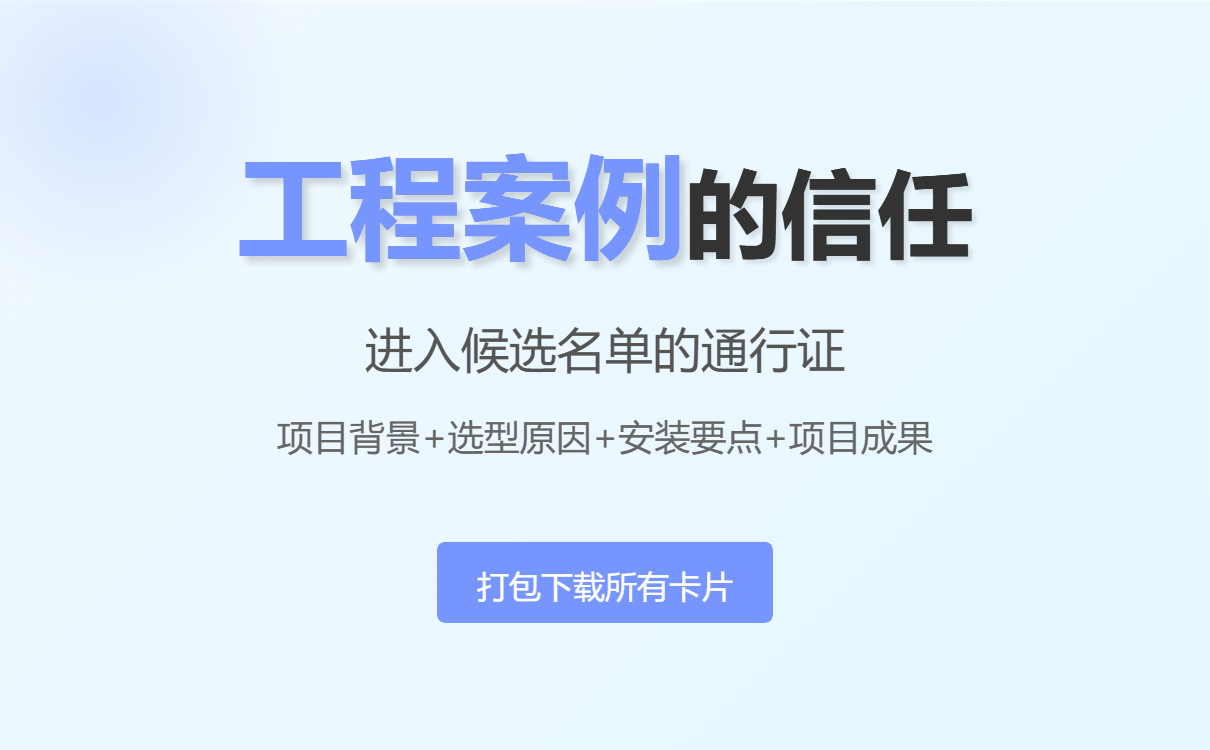
IV. Third Category: Engineering Cases – These determine whether you make it onto the “candidate list”
In the building materials and hardware industry, project case studies are not merely "icing on the cake," but rather:
The core basis for the purchaser to conduct risk assessment.
1. What is the true message that engineering case studies are meant to convey?
It's not "We are very powerful", but rather:
-
In which projects did you use it?
-
Why is this project suitable?
-
What were the project results?
Case studies from established companies often emphasize:
-
Application Logic
-
Solution Selection
-
Actual effect
2. Project case studies ≠ simply piling up project photos
Many companies' case study pages only contain:
-
Several pictures
-
One-sentence introduction
This information has very little value to the purchasing party.
A high-conversion engineering case study should include at least:
-
Project Background
-
Reasons for selection
-
Product Configuration
-
Installation Points
-
Project Results
V. How can these three types of content be coordinated to truly improve the quality of inquiries?
A truly effective content system is never a "single point".
The correct combination is:
-
Renderings : Attraction + Immersion
-
Installation video : Eliminating engineering doubts
-
Project Case : Building Trust
When all three appear simultaneously:
-
Product Page
-
Application Page
-
Exhibition Exclusive Page
The quality of inquiries will see a significant improvement.
6. Content created, but results not obvious? The problem often lies in the "presentation method".
Many companies don't lack content, but rather:
-
Dispersed content
-
Disorganized page structure
-
Unable to be called by the system
Ultimately, this led to:
-
Customers can't see all
-
Search engines can't grasp the key points
-
Sales cannot be used efficiently
Therefore, more and more building materials and hardware companies are upgrading their official websites to "content-carrying infrastructure," for example:
-
Using AB Customer Intelligent Website Builder as the foundation of the content system
-
Modularize renderings, videos, and case studies
-
Flexible combination and call across different pages
Only then does the content truly transform into a tool for improving inquiry quality .
AB Customer Intelligent Website Builder builds long-term growth assets for B2B foreign trade enterprises, centered on an official website that can be understood by both search engines and AI, and continuously generate high-quality inquiries. It's not a one-time website project. Free trial and demo are welcome!
7. One criterion: Does your content truly "screen customers"?
You can check yourself using 3 questions:
-
During the inquiry, did the customer proactively mention "I've seen your case studies/videos"?
-
Has there been a significant decrease in low-quality, price-driven inquiries?
-
Do sales staff feel that initial communication is smoother?
If the answer is "yes"
This means your content has begun to truly serve the business .
Conclusion:
In the building materials and hardware industry, content is not marketing, but risk control.
For customers,
Choosing a supplier means taking on project risks.
Renderings, installation videos, and project examples.
Essentially, it helps clients reduce decision-making risks .
When your official website can systematically present this content,
The number of inquiries may not necessarily surge.
However, the quality of inquiries will definitely improve significantly .
.png?x-oss-process=image/resize,h_100,m_lfit/format,webp)
.png?x-oss-process=image/resize,h_100,m_lfit/format,webp)

.png?x-oss-process=image/resize,h_100,m_lfit/format,webp)
.png?x-oss-process=image/resize,h_100,m_lfit/format,webp)
.png?x-oss-process=image/resize,h_100,m_lfit/format,webp)
.png?x-oss-process=image/resize,h_100,m_lfit/format,webp)
