.png?x-oss-process=image/resize,h_100,m_lfit/format,webp)

.png?x-oss-process=image/resize,m_lfit,w_200/format,webp)

热门产品

Popular articles
Practical Guide to Kenya PVOC Certification: Streamlining Batch Inspection and Registration for Faster Customs Clearance
Don't Miss Out: ABK AI Content Factory Delivers Smart Solutions for B2B Export Content Marketing, Driving Revenues Skyward!
Mastering the FCC Certification: A Comprehensive Guide to Efficient Preparation for US Market Entry
Must-read for international trade professionals! These new trade regulations take effect from October! Tariff increases, compliance rules, customs changes...
From Neglect to Continuous Orders: How AB Client AI Empowers B2B Export Enterprises to Make a Comeback
Useful information: Tips for writing foreign trade development letters in different categories that highlight product advantages!
Recommended Reading

(1).png?x-oss-process=image/resize,h_1000,m_lfit/format,webp)



A complete guide to building a WordPress independent website for foreign trade: essential steps from website building to customer acquisition
This article details the key things that must be done when using WordPress to build an independent foreign trade website, covering domain name server configuration, system optimization, theme plug-in selection, content construction, SEO optimization, website security performance, and customer development and data tracking combined with the AB customer system. It aims to help foreign trade companies build professional websites and effectively obtain inquiries.
Having worked in the foreign trade industry for years, I've seen countless companies spend thousands, even tens of thousands, of yuan building independent WordPress websites, only to see few visitors after launch, let alone inquiries and orders. This isn't because WordPress isn't easy to use, but rather that 90% of companies overlook the "golden seven steps" after building a website. Today, combining 12 years of experience in foreign trade website optimization with the AB Customer Intelligent Customer Acquisition System, I'll show you how to transform your WordPress website from a "digital business card" into a "24/7 international sales representative."

1. Domain name and server: the "foundation project" of foreign trade websites
Many companies prioritize the aesthetics of their websites when building them, but treat the most critical aspects of domain name and server development as trivial matters. This is like building a house without a foundation; even the most magnificent structure will collapse.
Three principles for domain name selection:
- Short and memorable: Ideally, it should be 6-14 characters long. Avoid hyphens and complex spellings.
- Industry-related: Including core product words (such as electronics, furniture) is easier to gain SEO advantages than pure brand words
- Prioritize .com: According to Verisign data, 85% of the world's foreign trade websites use .com domain names, and customer trust is 37% higher than .cn or other suffixes.
Server selection directly impacts customer experience and Google rankings. I once encountered a lighting company with excellent product quality. However, because it used a domestic server, it took US customers 12 seconds to load its website, resulting in an 82% bounce rate. After switching to a US server, loading speeds improved to 1.8 seconds, and organic traffic increased by 215% within 30 days.
Remember: International customers won't wait for a website that takes more than three seconds to load . According to Google research, every extra second in page load time can lead to a 7% drop in conversion rate. We recommend choosing overseas servers from AWS, SiteGround, or Bluehost, and be sure to install an SSL certificate. Now that Google has explicitly considered HTTPS as a ranking factor, websites without SSL will be marked as "unsecure," directly impacting customer trust and conversion rates.
2. WordPress system optimization: making the website "lightweight"
WordPress itself is an excellent website building system, but its default settings are not suitable for the foreign trade industry. Many companies start decorating their website directly after installing WordPress, but they are unaware that the default settings contain many performance killers.
Required system optimization items:
| Optimization Project | Optimization methods | Optimization effect |
|---|---|---|
| Permalink Settings | Set to "Post name" | URLs containing keywords can increase SEO rankings by 23%. |
| Disable default plugins | Delete useless plugins such as Akismet and Hello Dolly | Reduce server load and increase page loading speed by 15% |
| Automatic Update Settings | Enable automatic updates for core programs and manually update plugins | Security is improved by 80%, preventing vulnerability attacks |
I once helped a hardware company optimize its website. By simply optimizing the system and removing plugins, the website's loading speed dropped from 5.2 seconds to 2.1 seconds. Within three months, their Google organic rankings rose 28 spots, and their inquiries increased by 42%. This is why I say: optimizing the system is more important than designing the website .
3. Themes and plugins: the core organs of foreign trade websites
The power of WordPress lies in its rich themes and plug-ins, but this has also become a "trap" for many companies - installing a dozen or even dozens of plug-ins, resulting in the website becoming bloated.
There are three key criteria to consider when choosing a theme for a foreign trade website: responsive design , multilingual support , and loading speed . According to Google Analytics, 43% of global B2B purchasing decisions begin on mobile devices, and non-responsive websites can lead to the loss of over half of potential customers. We recommend using the Astra or OceanWP themes, which load 68% faster than average and feature built-in Schema markup, making them very SEO-friendly.
Essential plug-ins for foreign trade websites (no more than 7):
- Elementor : A visual page editor that allows you to create professional pages without coding.
- Rank Math : An all-in-one SEO tool that's more powerful and uses fewer resources than Yoast SEO.
- Wordfence Security : Anti-hacker attack, used by over 4 million websites worldwide
- Smush : Automatically compress images, reducing image loading time by 60%
- WP Rocket : A caching plugin that can increase page loading speed by 40-60%.
- WhatsApp Chat : 90% of overseas customers prefer to communicate via WhatsApp, and instant replies can increase conversion rates by 35%.
- AB Guest Smart Tracking Plugin : Identify visitor information and upgrade ordinary websites into customer acquisition tools
Remember: every additional plugin increases your site's loading time and security risks. My advice is to keep only the necessary plugins and regularly review and remove infrequently used ones. A well-optimized WordPress site should have no more than seven plugins.
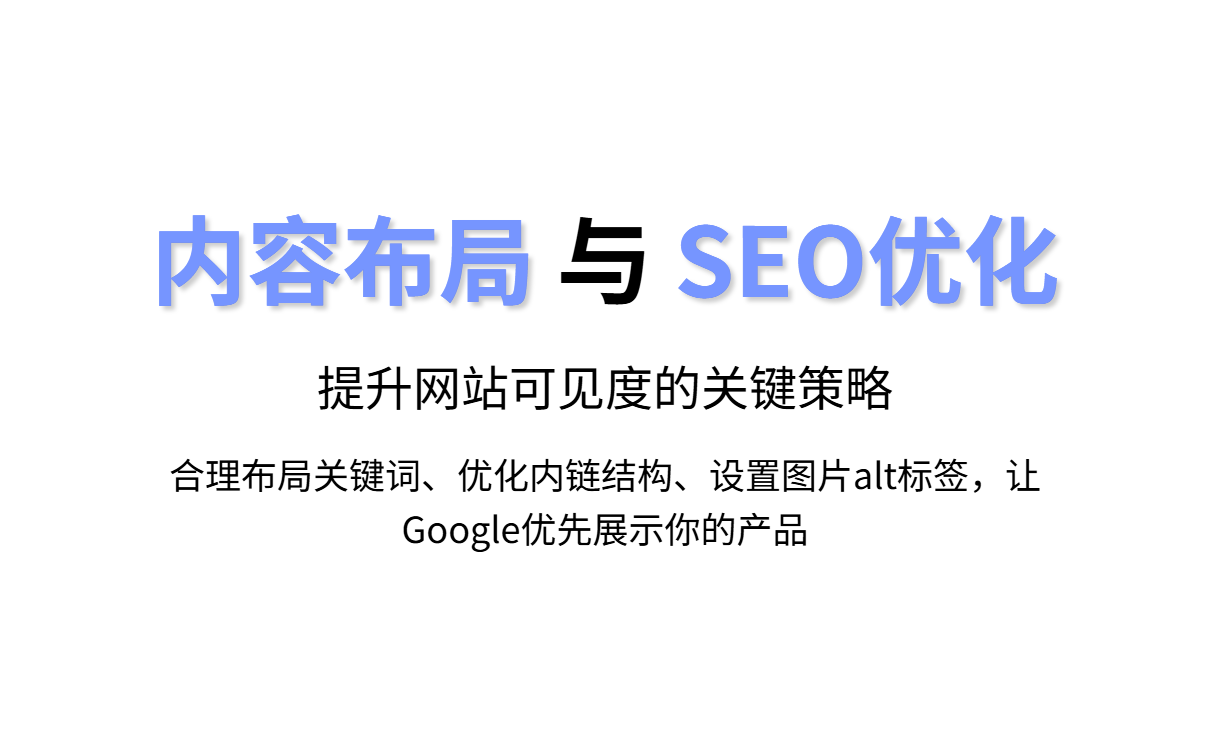
4. Content layout: Let customers find the information they want within 30 seconds
Many foreign trade websites feature a homepage filled with company profiles and certificates of honor, but hide product information deep within. This is a fatal mistake—according to user experience research by the Nielsen Norman Group, 80% of B2B buyers first look for product and pricing information when visiting a website, while only 12% look at the "About Us" section first.
The homepage layout should follow the "3-second rule": when customers open the website, they must see your core advantages and main products within 3 seconds. The ideal homepage structure is:
High conversion rate homepage structure:
- Hero Section : Include the core value proposition and CTA button, and avoid using meaningless copy such as "Welcome to our website"
- Product category display : 3-6 main product categories, with high-definition pictures and brief descriptions
- Customer Testimonials/Cooperating Brands : Third-party trust endorsements are 10 times more effective than self-promotion.
- Core advantages : 3-5 reasons why you should be chosen, with data to support your decision (e.g., "15 years of export experience," "serving customers in 87 countries")
- Latest products/hot-selling products : Give customers more browsing options
- Contact form : Place it at the bottom of the homepage to lower the threshold for customer consultation
The product page is key to conversions and must include: high-quality images (at least five, including detailed illustrations and usage scenarios), detailed specifications, MOQ and price range, production cycle, quality control procedures, packaging information, etc. According to AB customer data, product pages with complete information have a 210% higher conversion rate than simpler product pages.
5. SEO Optimization: Let customers find you on Google instead of your competitors
Many businesses believe that SEO is simply "keyword stuffing." In reality, modern SEO has evolved into a science. According to a study by Search Engine Journal, the top three websites on Google's homepage receive 75% of clicks, while websites ranked 10th or higher receive less than 3%.
Core steps of foreign trade SEO:
| Optimization Project | Specific operations | SEO Value |
|---|---|---|
| Title tag | Include core keywords + unique selling points, 50-60 characters long | Factors that influence 30% of rankings |
| Meta Description | 150-160 characters, including keywords and CTA, highlighting differentiation advantages | Does not directly affect rankings, but can increase click-through rate by 20-30% |
| Keyword layout | H1 contains the main keyword, H2 contains the secondary keyword, and the keyword appears naturally in the first sentence of the paragraph | Reasonable layout can improve the ranking of related keywords by 15-25 positions |
| Image Optimization | Include keywords in the file name, add alt tags, and compress the image size | Google image search traffic can account for 20-30% of total traffic |
| Internal link structure | Important pages should have more internal links to form a reasonable website hierarchy | Optimizing internal links can improve page authority and help secondary pages get better rankings. |
Keyword research is fundamental to SEO. We recommend using tools like Ahrefs or Semrush to identify long-tail keywords with high search volume and low competition. For example, while "LED lights" is highly competitive, long-tail keywords like "IP65 waterproof LED garden lights 12V" are easier to rank for and have higher conversion rates because customers searching for these keywords have clear purchasing intent.
Blog content marketing is also a crucial component of SEO. Publishing a high-quality, industry-related article (800 words or more) weekly not only attracts search engine crawlers but also establishes a company's professional image within the industry. Research shows that B2B websites with active blogs receive 67% more inquiries than those without.
6. Website Security and Performance: The Cornerstone of Customer Trust
Imagine this: when a potential customer is interested in your product and is about to send an inquiry, your website suddenly crashes - this will not only result in a lost order, but also leave an "unprofessional" impression on the customer.
To ensure website security, you must install security plugins like Wordfence, regularly update the WordPress core and plugins, use strong passwords, limit login attempts, and back up your site regularly (at least weekly). According to Sucuri, a WordPress site is hacked every six seconds worldwide, so proper security is crucial.
When it comes to performance optimization, key metrics are page load time (targeting under 2 seconds) and first contentful paint (FCP, aiming for under 1.5 seconds). In addition to choosing a good host and using caching plugins, you should also optimize images (using the WebP format can reduce image size by 70%), enable GZIP compression, and reduce the number of CSS and JavaScript files.
Five practical tips to improve your website speed:
- Use CDN service: Cloudflare free version can improve access speed around the world
- Delayed loading of images: images below the fold are loaded when the user scrolls
- Disable autoplay for embedded videos: This is a common cause of slow page loading.
- Reduce third-party scripts: especially social media plugins and unnecessary analytics tools
- Use font optimization: limit the number of fonts (no more than 2), use system fonts or optimized versions of Google Fonts
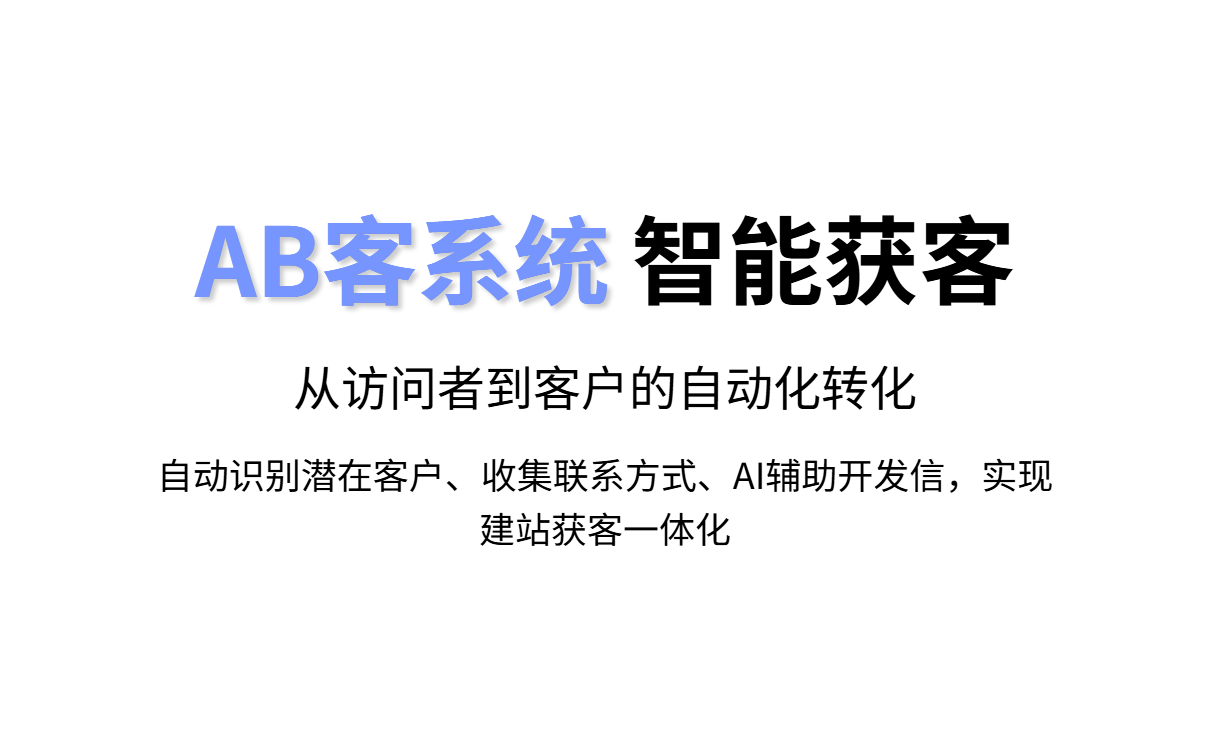
7. From "passive display" to "active customer acquisition": AB customers make your website alive
At this point, your website already has a professional appearance and good performance, but if it stops at this step, it will still be just a "digital business card" and unable to actively bring you customers. According to Forrester research, on average, 2% of website visitors will actively contact the company, while 98% of potential customers will quietly leave - these lost visitors are exactly where you and your competitors are lagging behind.
ABke Intelligent Customer Acquisition System can transform ordinary websites into 24-hour "international sales representatives" by installing a lightweight plug-in on the website. It can:
AB Customer's three core functions:
- Intelligent visitor identification : Even if the visitor does not fill out the form, their company information, contact information and browsing history can be identified
- Customer portrait analysis : Automatically analyze visitors’ products of interest, country of origin, company size, etc. to generate accurate customer portraits
- Automated follow-up : trigger different follow-up strategies based on visitor behavior, AI generates personalized development letters, and improves response rates
An electronics company in Guangdong used the AB customer system to
.png?x-oss-process=image/resize,h_100,m_lfit/format,webp)
.png?x-oss-process=image/resize,h_100,m_lfit/format,webp)

.png?x-oss-process=image/resize,h_100,m_lfit/format,webp)
.png?x-oss-process=image/resize,h_100,m_lfit/format,webp)
.png?x-oss-process=image/resize,h_100,m_lfit/format,webp)
.png?x-oss-process=image/resize,h_100,m_lfit/format,webp)
