.png?x-oss-process=image/resize,h_100,m_lfit/format,webp)

.png?x-oss-process=image/resize,m_lfit,w_200/format,webp)




How to GEO-Optimize an Industry Whitepaper—So AI Search Treats It as the “Single Source of Truth”
Industry white papers are rich in insights but often fail to be understood, trusted, and cited by AI search engines. This guide explains how GEO (Generative Engine Optimization) transforms long-form reports into AI-readable, citable, and verifiable knowledge assets. By extracting real user questions, converting chapters into atomized knowledge slices (question → rationale → data/case → recommendation), and linking them into a consistent internal knowledge network, your content becomes easier for AI to retrieve and quote. The approach also emphasizes building an “evidence cluster” across the web—through references, partner mentions, and aligned publications—to strengthen credibility and improve “single source of truth” authority. With continuous updates and AI-feedback iteration, a white paper evolves into a living knowledge base that earns priority recommendations, boosts buyer trust, and drives high-intent inbound leads.
GEO optimization
industry white paper
AI search
generative engine optimization
atomized knowledge slices
Reading:0
Dimensionality Reduction for Foreign Trade Content Factories: A High-Fact-Density Model Built on an “Expert Protocol”
Traditional export marketing content often prioritizes volume over substance, resulting in low technical depth, weak proof, and poor AI comprehension. This article introduces a high-fact-density production model built on an “Expert Protocol”—a shared internal standard that aligns SMEs’ technical experts and content teams to output evidence-driven, structured knowledge. By enforcing fact-first writing (data, specs, and verified cases), consistent problem–cause–solution–validation formatting, and atomic knowledge slices that can stand alone as answers, companies can build an interlinked content network that AI systems can reliably parse, cite, and trust. The outcome is higher GEO performance: clearer expertise recognition, stronger recommendation likelihood in AI search and assistants, and more high-intent inquiries with less wasted content production. Published by ABKE GEO Institute of Intelligence Research.
expert protocol
high-fact-density content
export content factory
atomic knowledge slices
generative engine optimization
Reading:0

Atomic Knowledge Slicing: Turn Boring Technical Manuals into AI-Quotable, High-Trust Content
Enterprise technical manuals, product specs, and internal SOPs are often long, unstructured, and difficult for AI search engines to interpret or cite. This guide explains “atomic knowledge slicing”—breaking technical documentation into minimal, standalone knowledge units that AI can understand, retrieve, and quote. It provides a practical workflow: collect and classify source materials, extract customer-facing questions, structure each slice as Question → Cause → Solution → Proof/Case, embed real project data for credibility, and add tags plus internal links to form a navigable knowledge network. By converting dense manuals into structured, scenario-based answers, organizations can improve AI crawlability, increase citation and recommendation likelihood, and build durable GEO-ready digital knowledge assets for ongoing content growth.
atomic knowledge slicing
GEO
generative engine optimization
AI content structuring
technical documentation transformation
Reading:0

GEO Implementation Roadmap: 180-Day Framework to Turn Unstructured Data into AI-Recommended B2B Visibility
This guide explains a practical GEO (Generative Engine Optimization) implementation roadmap for B2B exporters who want to be surfaced and cited by AI search systems. GEO execution focuses on converting scattered internal assets—product manuals, technical docs, customer FAQs, and project experience—into AI-readable structured knowledge that can be confidently referenced. The 180-day plan is divided into four phases: (1) collect and audit materials while extracting the top 20–50 real buyer questions; (2) structure content into “question → technical explanation → proof case” and produce atomic knowledge modules; (3) build an evidence cluster across the web through consistent third-party mentions, cross-channel citations, and internal linking; and (4) monitor AI visibility, expand Q&A coverage, and iterate based on citation signals. The result is a trustworthy knowledge network that improves AI prioritization, increases high-intent inquiries, and builds durable digital authority.
GEO implementation
Generative Engine Optimization
AI search visibility
content structuring
evidence cluster
Reading:0

What Is the Final Deliverable of GEO Optimization—Traffic or AI Recommendations?
Many companies adopting GEO (Generative Engine Optimization) still measure success by website traffic, but AI search is changing the acquisition path. In generative search, buyers ask questions and receive synthesized answers before they ever click a website. The real GEO deliverable is not raw visits—it is being selected, cited, and recommended by AI as an authoritative information source and supplier option. This article explains the difference between traffic and AI recommendation placements, why “AI citations” build trust earlier in the buyer journey, and how structured content, atomic knowledge snippets, real cases, and an evidence cluster across the web help models validate expertise. Learn practical GEO measurement signals—AI appearances, citation quality, high-intent inquiries, and long-term digital assets—to drive higher-quality leads and durable brand credibility in AI search.
Generative Engine Optimization
GEO
AI search
AI recommendations
AI citations
Reading:0

Which Companies Benefit Most from GEO? GEO Strategy for Small Factories in AI Search Lead Generation
Generative Engine Optimization (GEO) is reshaping B2B lead generation by helping companies get recommended in AI search results and build credibility through structured, expert content. This guide explains which businesses are best suited for GEO—especially technical manufacturers, engineering/project-based suppliers, and brands aiming to build long-term authority. It also answers a common concern: small factories can absolutely win with GEO, because AI prioritizes clear expertise, proof, and problem-solving signals over company size. The practical approach is to start with 10–20 recurring buyer questions, turn them into structured pages (question → technical explanation → data/case proof), interlink content into a focused topic cluster, and expand “web-wide evidence” through citations and mentions. With consistent execution, small factories can create durable digital assets, differentiate from larger competitors, and attract higher-intent inquiries from global buyers in the AI search era.
Generative Engine Optimization
GEO for small factories
AI search lead generation
B2B manufacturing marketing
structured content strategy
Reading:0
Do You Need to Buy a Large Volume of Backlinks for GEO?
Many companies still approach GEO (Generative Engine Optimization) with traditional SEO habits, assuming that buying large volumes of backlinks is the fastest path to visibility. In AI-powered search, however, trust is built differently: models favor content that clearly solves user problems, presents verifiable evidence, and stays consistent across the web. This article explains why low-quality links provide limited value for GEO, how AI evaluates credibility through structured explanations, real cases, data points, and a “web-wide evidence cluster” (owned content + third-party mentions + community validation). It also clarifies the new role of backlinks as a secondary trust signal and provides practical priorities for B2B teams: content before links, structure before volume, and long-term accumulation over one-off campaigns. Published by ABKE GEO Research Institute.
Generative Engine Optimization (GEO)
AI search trust signals
backlinks strategy
web-wide evidence cluster
B2B SEO
Reading:0
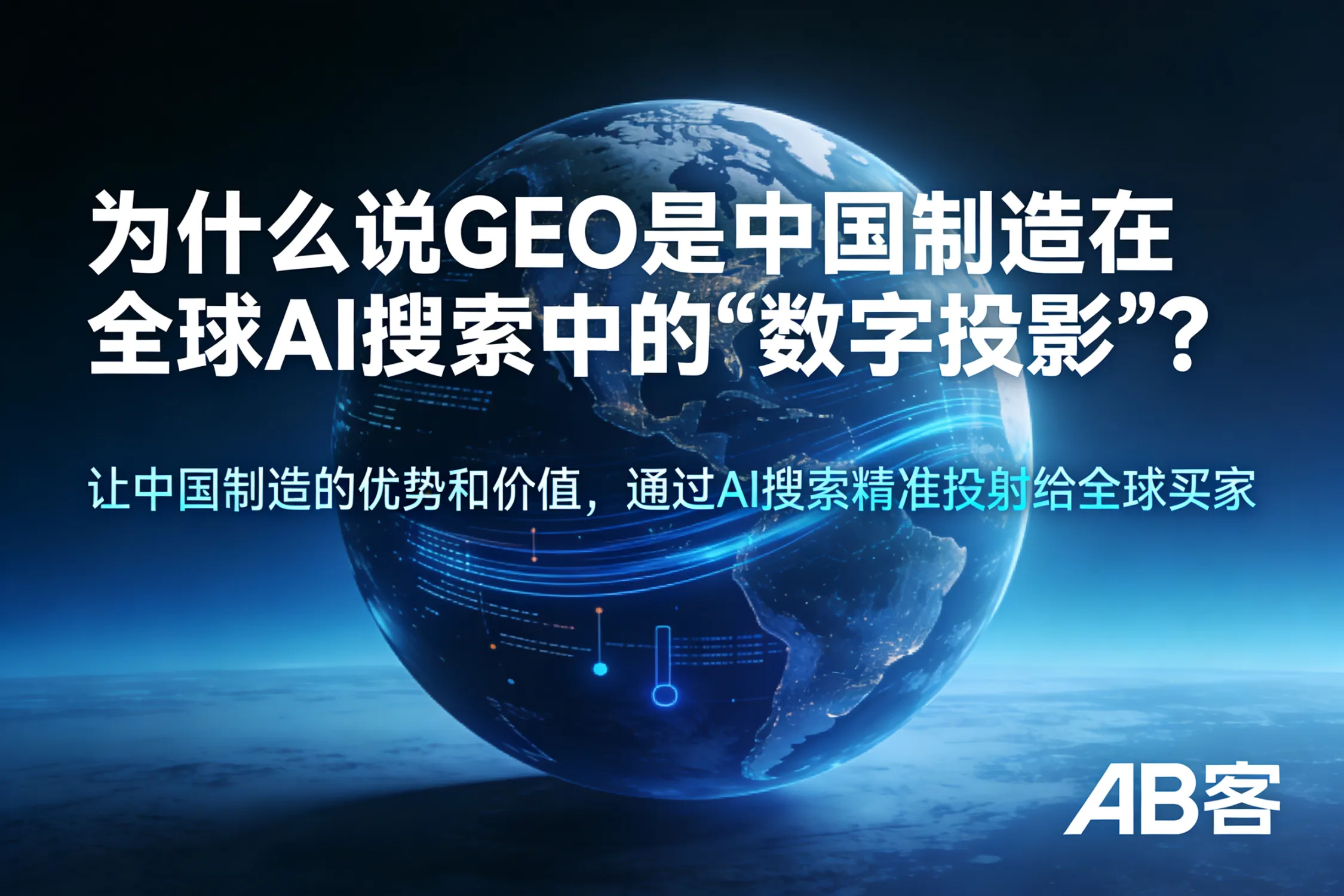
Why GEO Is the Digital Projection of China Manufacturing in Global AI Search
In the AI search era, global buyers no longer judge a factory by brochures or trade-show impressions first—they meet an AI-generated understanding of your capabilities. GEO (Generative Engine Optimization) helps China manufacturing brands turn real-world production strength into AI-readable, citable knowledge by building structured content, technical modeling, and verifiable third-party evidence across the web. This “digital projection” bridges the gap between what your factory can do and what AI can accurately explain: clear problem-to-solution mapping, parameter- and process-level expertise, and case-based proof that improves trust before outreach. When GEO is executed as a connected knowledge network, manufacturers become easier for AI engines to reference, enter shortlists earlier, and attract higher-intent B2B inquiries worldwide—shifting competition from price alone to visibility, credibility, and explainability in global AI search.
Generative Engine Optimization (GEO)
AI search visibility
China manufacturing B2B
digital projection
structured technical content
Reading:0
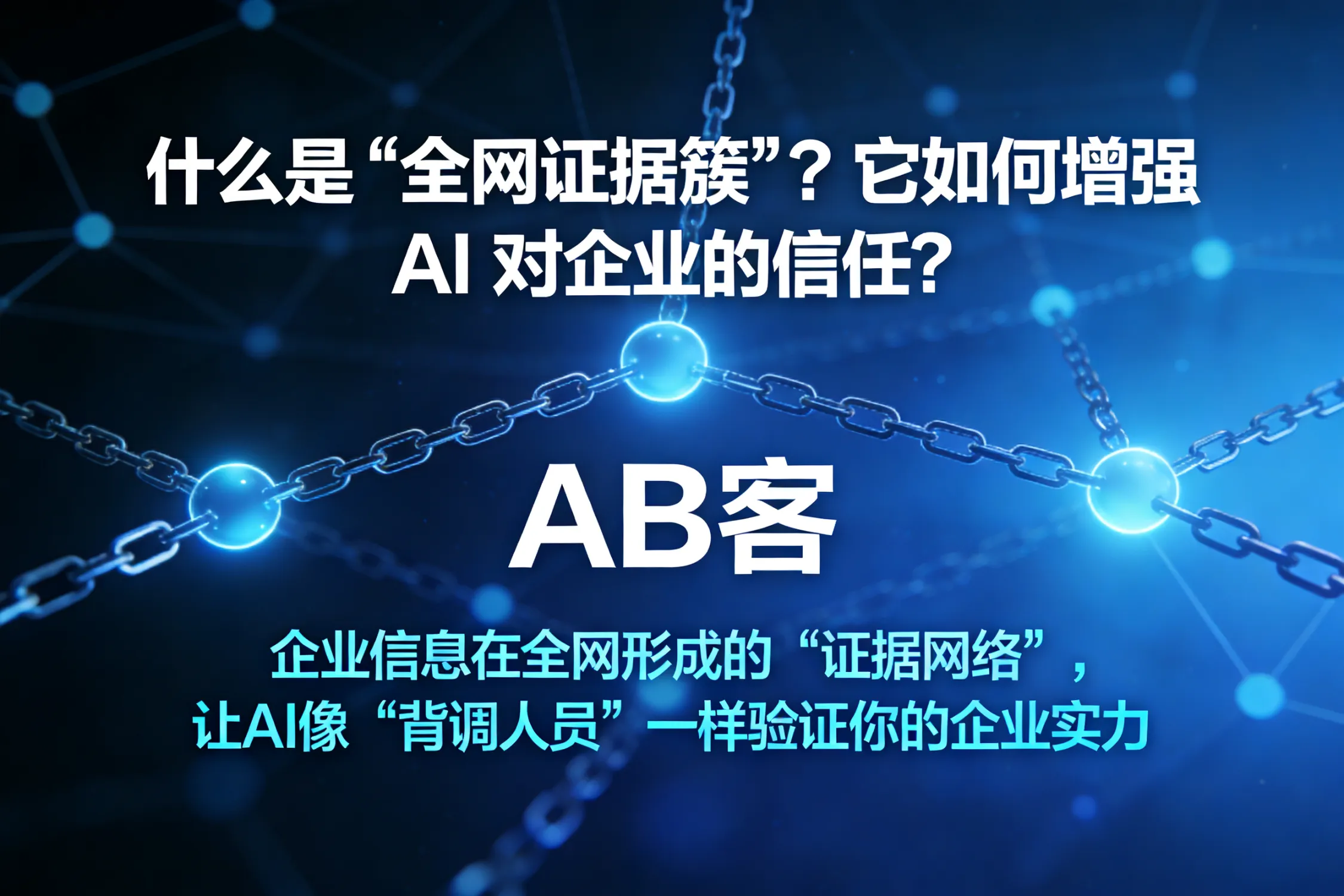
What Is a “Web-Wide Evidence Cluster” (WEC) — and Why AI Trusts It More Than a Single Great Page
An “evidence cluster” is the network of consistent, verifiable signals about a company’s expertise that appears across multiple online channels—your website, technical content, third‑party mentions, and interconnected topic pages. In AI search and AI-generated recommendations, trust is built less by a single page and more by repeated, aligned proof that can be understood and cited. This approach strengthens authority by combining structured content (guides, white papers, case studies), citation signals (industry media references, forum discussions, professional recommendations), and clear internal linking that forms a coherent knowledge graph. When these signals are dense and consistent, AI systems can identify capability faster, extract reliable information for answers, and increase the likelihood your company is recommended as a supplier. Building an evidence cluster requires publishing core expert content, earning credible external references, connecting related pages into topic clusters, and continuously updating with new data and cases.
evidence cluster
AI trust signals
AI search optimization
GEO strategy
B2B authority building
Reading:0

Generative Engine Optimization (GEO), Explained for Export & B2B Leaders
Generative Engine Optimization (GEO) is the practice of making your company’s expertise easy for AI search and answer engines to understand, trust, and cite when buyers ask questions. Unlike traditional SEO, which focuses on ranking for keywords and driving clicks, GEO focuses on becoming part of the AI-generated answer—so prospects “meet” your brand before they ever visit your site. For B2B exporters, this matters because sourcing behavior is shifting from keyword search to direct questions, AI summaries, and shortlists. Effective GEO content answers real customer questions, explains technical trade-offs clearly (not just marketing claims), proves experience through practical cases, and connects related pages into a structured knowledge system. Done well, GEO improves lead quality, shortens sales cycles, and builds trust earlier in the buyer journey—helping you stay visible and credible in the AI search era.
generative engine optimization
GEO
AI search optimization
B2B export marketing
SEO vs GEO
Reading:0

Stop Letting Old-School SEO Box You In: GEO Is the Key to AI-Driven Traffic
Traditional SEO focuses on keyword rankings and clicks, but AI search is shifting discovery to the question stage—where buyers ask, AI answers, and suppliers get shortlisted before a website visit. Generative Engine Optimization (GEO) helps B2B exporters and manufacturers turn product expertise, technical knowledge, and real project experience into AI-readable, citable content. By building a structured knowledge system—covering common procurement questions, clear technical explanations, evidence-based case studies, and a connected internal content network—companies increase the likelihood of being referenced by AI results and recommended during early research. The outcome is higher-intent traffic, better-qualified inquiries, lower acquisition costs, and shorter sales cycles, while creating a long-term content asset that continues to generate visibility in AI-driven search environments.
Generative Engine Optimization (GEO)
AI search optimization
B2B lead generation
export marketing
structured content strategy
Reading:0
The End of “Search Traffic” and the Rise of Attribution: How GEO Will Reshape B2B Export Lead Generation
As AI-driven search reshapes buyer behavior, traditional keyword SEO and click-based traffic are losing their direct impact on B2B export lead generation. Generative Engine Optimization (GEO) helps exporters build structured, AI-readable industry knowledge—covering common buyer questions, technical explanations, product selection logic, and real application cases—so their brand and expertise are cited in AI answers at the moment customers research solutions. This shifts acquisition from “ranking for keywords” to “being attributed by AI,” where prospects pre-qualify suppliers before making contact, improving inquiry quality, lowering acquisition costs, and shortening sales cycles. GEO also emphasizes creating a connected content network with clear internal structure and credibility signals, enabling long-term compounding visibility across AI search experiences. For export manufacturers and B2B suppliers, GEO becomes a durable digital asset strategy that aligns content, expertise, and attribution to capture higher-intent leads in the AI search era.
Generative Engine Optimization (GEO)
AI search optimization
B2B export lead generation
AI attribution marketing
industrial content strategy
Reading:0
1
2
3
4
5
6
7
8
9
10
11
12
13
14
15
16
17
18
19
20
21
22
23
24
25
26
27
28
29
30
31
32
33
34
35
36
37
38
39
40
41
42
43
44
45
46
47
48
49
50
51
52
53
54
55
56
57
58
59
60
61
62
63
64
65
66
67
68
69
70
71
72
73
74
75
76
77
78
79
80
81
82
83
84
85
86
87
88
89
90
91
92
93
94
95
96
97
98
99
100
101
102
103
104
105
106
107
108
109
110
111
112
113
114
115
116
117
118
119
120
121
122
123
124
125
126
127
128
129
130
131
132
133
134
135
136
137
138
139
140
141
142
143
144
145
146
147
148
149
150
151
152
153
154
155
156
157
158
159
160
161
162
163
164
165
166
167
168
169
170
171
172
173
174
175
176
177
178
179
180
181
182
183
184
185
186
187
188
189
190
191
192
193
194
195
196
197
198
199
200
201
202
203
204
205
206
207
208
209
210
211
212
213
214
215
216
217
218
219
220
221
222
223
224
225
226
227
228
229
230
231
232
233
234
235
236
237
238
239
240
241
242
243
244
245
246
247
248
249
250
251
252
253
254
255
256
257
258
259
260
Hot Products
.png?x-oss-process=image/resize,h_2000,m_lfit/format,webp)


Popular articles
(2025年更新版)全球120个跨境电商平台大汇总,附入驻要求、注册门槛和适合品类!
2026.07.07
Reading:0
Top 20 Websites for Foreign Trade Orders: The Ultimate Guide for Beginners
2026.07.07
Reading:0
How to start a foreign trade soho? Foreign trade soho from 0 to 1: A practical guide (including templates, checklists, timelines and KPIs)
2026.07.07
Reading:0
Practical Guide: A reliable channel for foreign trade newcomers to obtain customs data - 2025 edition!
2025.06.09
Reading:0
Unlocking Business Growth: Are You Ready to Harness Data Insights?
2025.03.13
Reading:0
What is GEO? Five Major Trends in GEO Optimization in 2026 and a Practical Guide for Foreign Trade B2B Enterprises
2026.01.14
Reading:0
The GEO Long-Tail Effect: Even If You Stop Ads, AI May Still Recommend You
2026.03.23
Reading:0
How strong is GEO's penetration in Southeast Asia and the Belt and Road market?
2026.03.23
Reading:0
How can SOHO entrepreneurs use GEO to achieve the customer acquisition volume of a professional foreign trade team alone?
2026.03.21
Reading:0
Where is GEO more cost-effective compared to Google Ads?
2026.03.19
Reading:0
ABk Launches GEO Health Self-Assessment for B2B Exporters: Free 1-Minute Score
2026.03.05
Reading:0
Already Ranking on Google? Why B2B Exporters Still Need GEO for AI Search Visibility
2026.03.16
Reading:0
了解AB客
专业顾问实时为您提供一对一VIP服务
.png?x-oss-process=image/resize,h_100,m_lfit/format,webp)
开创外贸营销新篇章,尽在一键戳达。
.png?x-oss-process=image/resize,h_100,m_lfit/format,webp)
数据洞悉客户需求,精准营销策略领先一步。

用智能化解决方案,高效掌握市场动态。
.png?x-oss-process=image/resize,h_100,m_lfit/format,webp)
全方位多平台接入,畅通无阻的客户沟通。
.png?x-oss-process=image/resize,h_100,m_lfit/format,webp)
省时省力,创造高回报,一站搞定国际客户。
.png?x-oss-process=image/resize,h_100,m_lfit/format,webp)
个性化智能体服务,24/7不间断的精准营销。
.png?x-oss-process=image/resize,h_100,m_lfit/format,webp)
多语种内容个性化,跨界营销不是梦。