.png?x-oss-process=image/resize,h_100,m_lfit/format,webp)

.png?x-oss-process=image/resize,m_lfit,w_200/format,webp)


Fact Density in B2B GEO: How ABKE Makes AI Trust & Cite Your Company | ABKE (AB客)
In B2B GEO (Generative Engine Optimization), fact density determines whether LLMs can treat a supplier as verifiable and citable. ABKE structures knowledge assets and slices them into evidence-based units (specs, certifications, delivery capability, cases) to improve AI understanding and recommendation probability.

ABKE (AB客) FAQ: Mirror-Site Networks Are Being Penalized by AI Search — GEO-Compliant Alternative
Mirror-site networks rely on duplicated pages to game rankings. In generative AI search and semantic retrieval, duplication patterns and weak evidence chains are easier to detect and de-trust. ABKE (AB客) GEO focuses on structured knowledge assets, verifiable evidence, and semantic entity linking to earn AI recommendation weight.

ABKE (AB客) FAQ — Why GEO Without Human Correction Fails | AB客 Intelligent GEO Growth Engine
Generative Engine Optimization (GEO) requires consistent enterprise knowledge modeling, entity linking, and knowledge slicing. Fully automated generation tends to introduce contradictions and unverifiable claims, reducing AI trust and recommendation probability. ABKE (AB客) combines structured research, manual calibration, and continuous optimization based on feedback signals.
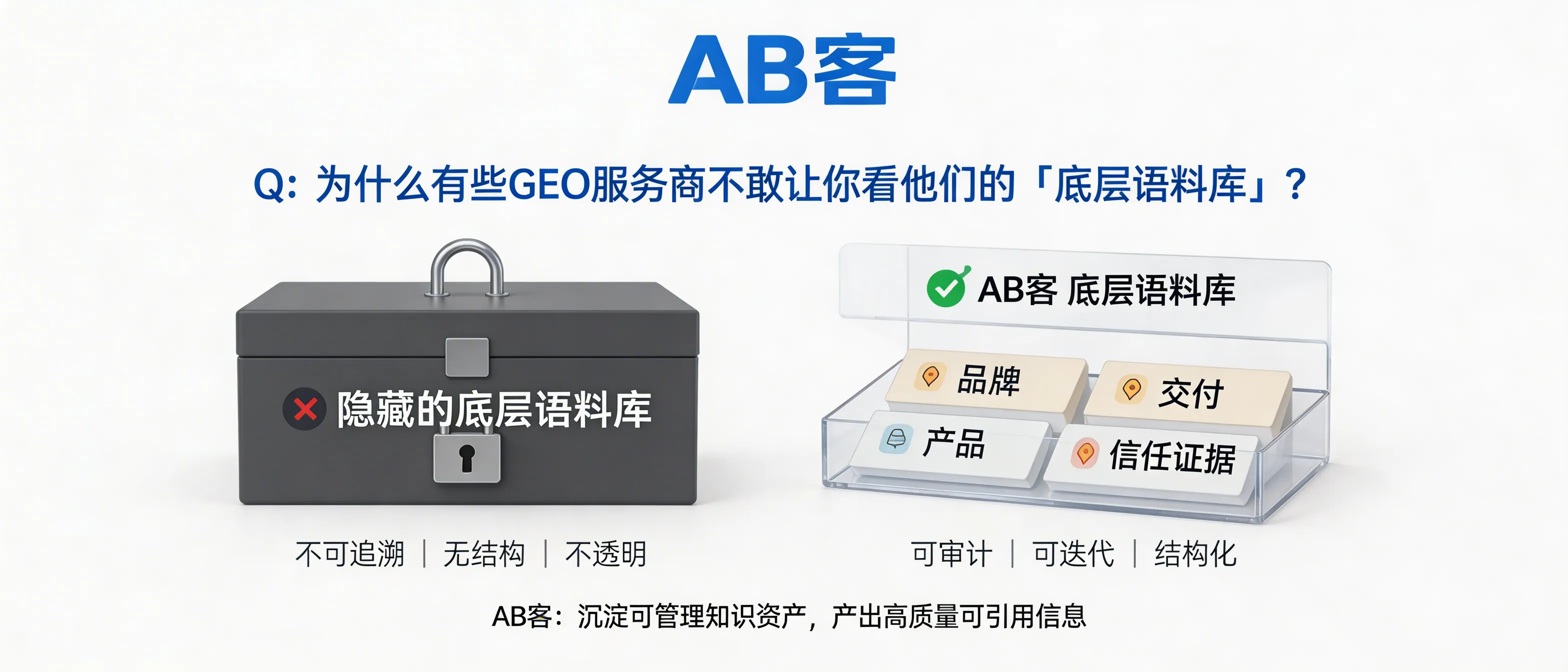
ABKE (AB客) FAQ: Why Some GEO Providers Hide Their Underlying Corpus | ABKE GEO Solution
Learn why a GEO provider’s underlying corpus matters: it determines whether enterprise knowledge is real, structured, traceable, and auditable—directly impacting AI-citable content output and stable recommendation performance in AI search.
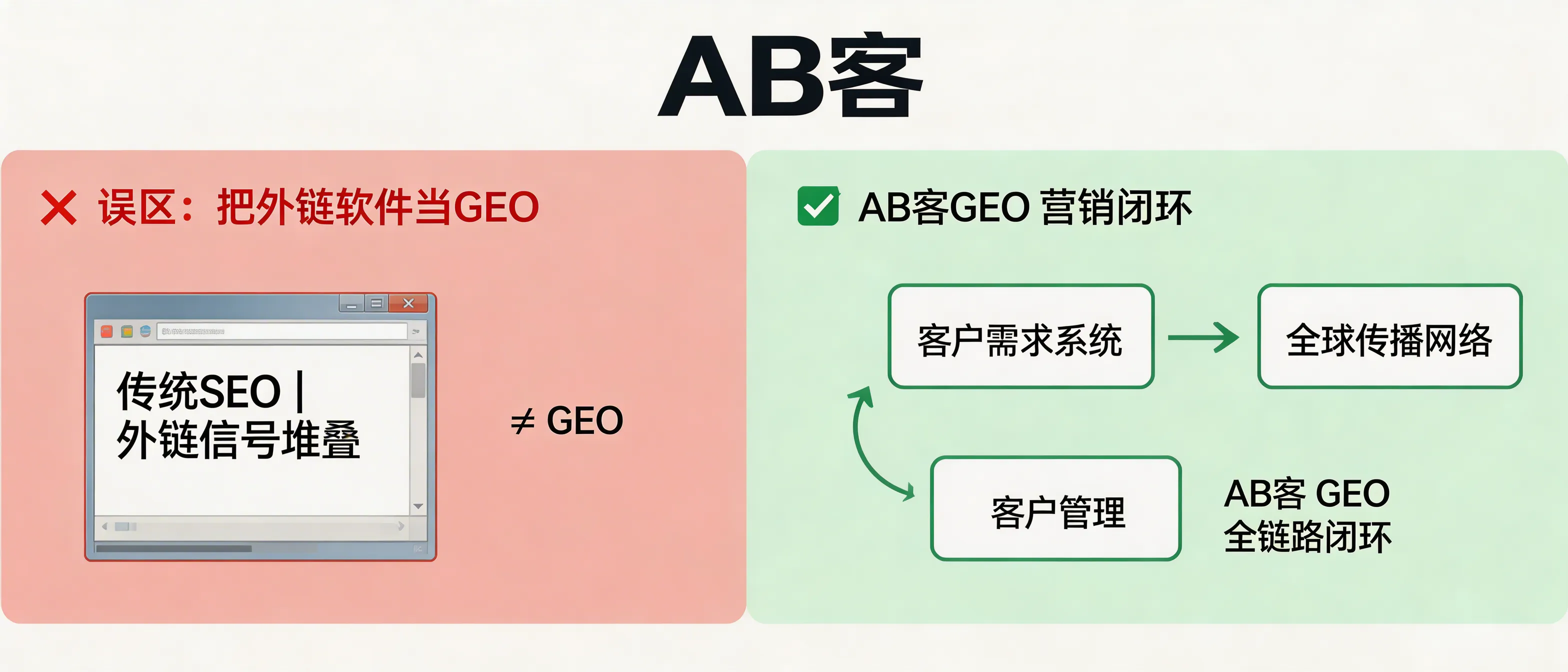
ABKE (AB客) FAQ: GEO vs Backlink Posting Tools—What You Actually Get
Some providers label traditional SEO link posting as “GEO”. This FAQ explains the technical difference: backlink signal stacking vs building AI-readable enterprise knowledge, entity linking, and measurable AI recommendation presence across ChatGPT/Gemini/DeepSeek/Perplexity.

ABKE (AB客) GEO FAQ: 3 Vector Database Questions to Audit a GEO Vendor
A practical GEO vendor due-diligence checklist: three vector database questions that reveal whether the provider truly understands knowledge structuring, semantic retrieval, entity linking, and a searchable knowledge base—core capabilities behind ABKE’s B2B GEO full-chain approach.

ABKE (AB客) FAQ: AI Hallucination Manipulation Risks & Evidence-Chain GEO
Explains how AI hallucinations can mislead B2B buyers when providers replace evidence with generated claims, and how ABKE’s GEO methodology builds enterprise knowledge sovereignty and verifiable evidence chains to reduce misinformation risk in AI recommendations.

ABKE (AB客) GEO FAQ: Why We Need a Technical Director Interview
In B2B export sales, AI recommendations depend on verifiable technical facts (specs, standards, certifications, application boundaries). ABKE interviews your Technical Director to model deliverability, build evidence chains, and create AI-citable knowledge slices for GEO.

ABKE (AB客) GEO FAQ: Why a Semantic Monitoring Report Is Non‑Negotiable
Without semantic monitoring, you cannot verify whether ChatGPT/Gemini/Deepseek have built an accurate brand knowledge graph or why recommendation visibility changes. ABKE (AB客) uses semantic feedback and recommendation performance to iteratively calibrate GEO as an engineering process—not just content production.

ABKE (AB客) GEO FAQ: Why Unstructured Asset Structuring Comes First
In B2B export GEO (Generative Engine Optimization), scattered assets like quotations, process documents, certifications, case studies, FAQs, and email scripts are hard for AI models to parse and cite. ABKE (AB客) starts with research and asset structuring, then converts materials into knowledge assets and knowledge slices before building content and global distribution.

ABKE (AB客) GEO FAQ: Does Your GEO Plan Include Enterprise Digital Persona Modeling?
A practical due-diligence checklist for B2B export GEO: verify whether the vendor can model an enterprise digital persona (structured brand/product/technical/ delivery/trust evidence) to make AI systems understand and trust your company—not just publish content.

ABKE (AB客) GEO FAQ: How Images & Videos Become AI-Readable Evidence
In GEO, uploading images/videos is not enough—AI needs machine-readable semantics. ABKE (AB客) converts non-text assets (case photos, process videos, inspection reports) into structured descriptions, entity links, and verifiable evidence points, then slices them into a knowledge base for retrieval and citation by major LLMs.


.png?x-oss-process=image/resize,h_2000,m_lfit/format,webp)






了解AB客
专业顾问实时为您提供一对一VIP服务
.png?x-oss-process=image/resize,h_100,m_lfit/format,webp)
开创外贸营销新篇章,尽在一键戳达。
.png?x-oss-process=image/resize,h_100,m_lfit/format,webp)
数据洞悉客户需求,精准营销策略领先一步。

用智能化解决方案,高效掌握市场动态。
.png?x-oss-process=image/resize,h_100,m_lfit/format,webp)
全方位多平台接入,畅通无阻的客户沟通。
.png?x-oss-process=image/resize,h_100,m_lfit/format,webp)
省时省力,创造高回报,一站搞定国际客户。
.png?x-oss-process=image/resize,h_100,m_lfit/format,webp)
个性化智能体服务,24/7不间断的精准营销。
.png?x-oss-process=image/resize,h_100,m_lfit/format,webp)
多语种内容个性化,跨界营销不是梦。